Interior Refurbishment in RoPax and Ferry Refit Projects


Alternative fuels can influence ship interior systems in several ways. Fuel strategy is usually discussed through propulsion, emissions, machinery and energy efficiency. Yet changes in fuel type can also affect how onboard spaces are planned, coordinated and installed. When a vessel uses methanol, ammonia, hydrogen, battery systems or hybrid solutions, the interior cannot be treated as a separate decorative layer.
Ship interiors are built inside a technical environment. Accommodation areas, corridors, service rooms, wet units, public spaces, crew areas and technical-adjacent zones all need to work with the vessel’s engineering systems. As new fuels and energy systems become more common, interior planning needs stronger coordination with safety zones, ventilation routes, access requirements and material choices.
For marine interior teams, the main question is not how the fuel system works. The real question is how fuel-related design changes affect the spaces where people live, work, rest and move onboard.
Why Alternative Fuels Matter for Interior Planning
Alternative fuels can change the technical layout of a vessel. Fuel tanks, battery rooms, ventilation systems, safety zones, piping routes and monitoring areas may require different space planning compared with conventional marine fuel systems. These changes can influence nearby accommodation and service spaces.
A corridor may need to preserve access to technical areas. A ceiling system may need to coordinate with new ventilation routes. A service room may need different wall, door or insulation details. A crew area may need clearer separation from technical zones.
This is why ship interior planning should begin with the wider vessel strategy. Interior teams do not need to design the fuel system, but they need to understand how it affects space, safety, maintenance and installation.
When alternative fuel systems are considered early, the interior can support the vessel instead of creating conflicts during construction or refit.
Layout Changes Around Technical Spaces
One of the most visible effects of alternative fuels is the need for better coordination around technical spaces. Some vessels may need additional equipment rooms, monitoring areas, safety-related separations or access routes. These areas can affect the position and shape of interior spaces.
Accommodation layouts may need small but important adjustments. A cabin block, office area, corridor or service zone may need to shift because of system access. In some cases, the main layout remains the same, but wall systems, doors, ceilings and access panels require closer planning.
This is where technical coordination becomes critical. Interior components should not block inspection points, service routes or emergency access. Accomar’s article on marine interior technical coordination is a relevant internal reference for understanding how shipyards, owners and interior teams can keep technical requirements aligned.
Safety, Ventilation and Material Decisions
Alternative fuels can increase the importance of safety-related planning. Depending on the fuel or energy system, the vessel may require specific ventilation strategies, separation principles, access control and safety procedures. Interior systems need to respect these requirements.
Marine interior teams should review how wall panels, ceiling systems, flooring, doors, insulation and furniture interact with the vessel’s safety strategy. In some spaces, material choices may need to support fire performance, acoustic comfort, cleanability or durability at the same time.
Interior planning may need to consider:
- Fire-rated wall and ceiling systems
- Clear access to technical panels
- Ventilation routes and ceiling coordination
- Durable flooring near service zones
- Moisture-resistant and easy-to-clean finishes
- Safe fixing details
- Acoustic separation where needed
- Maintenance access after delivery
The aim is not to overcomplicate the interior. The aim is to make sure accommodation and service areas remain safe, practical and buildable.
Impact on Accommodation Areas
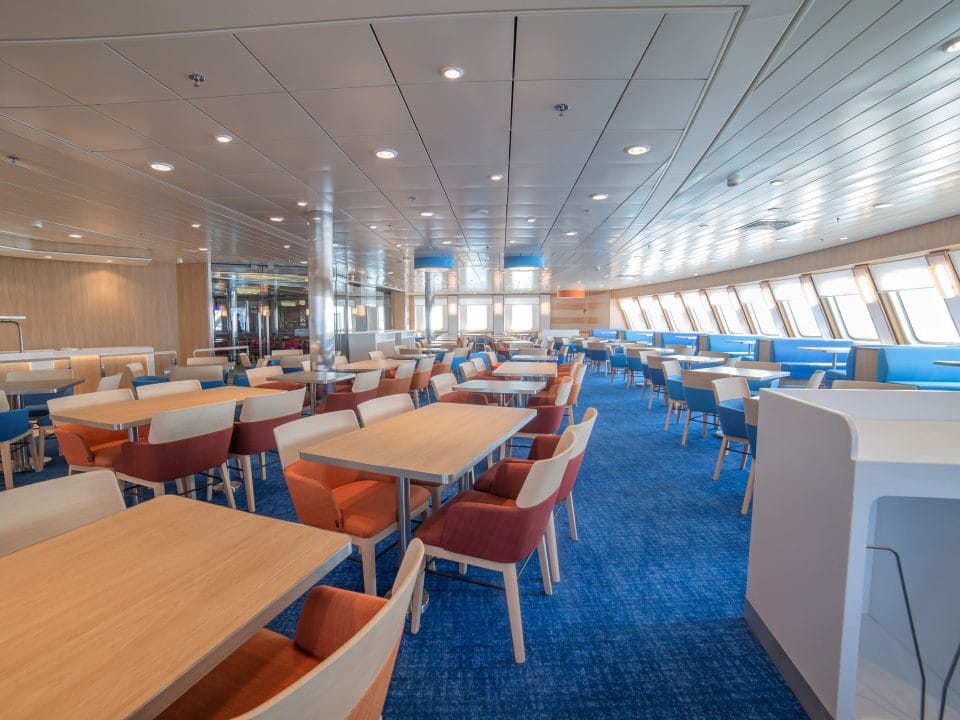
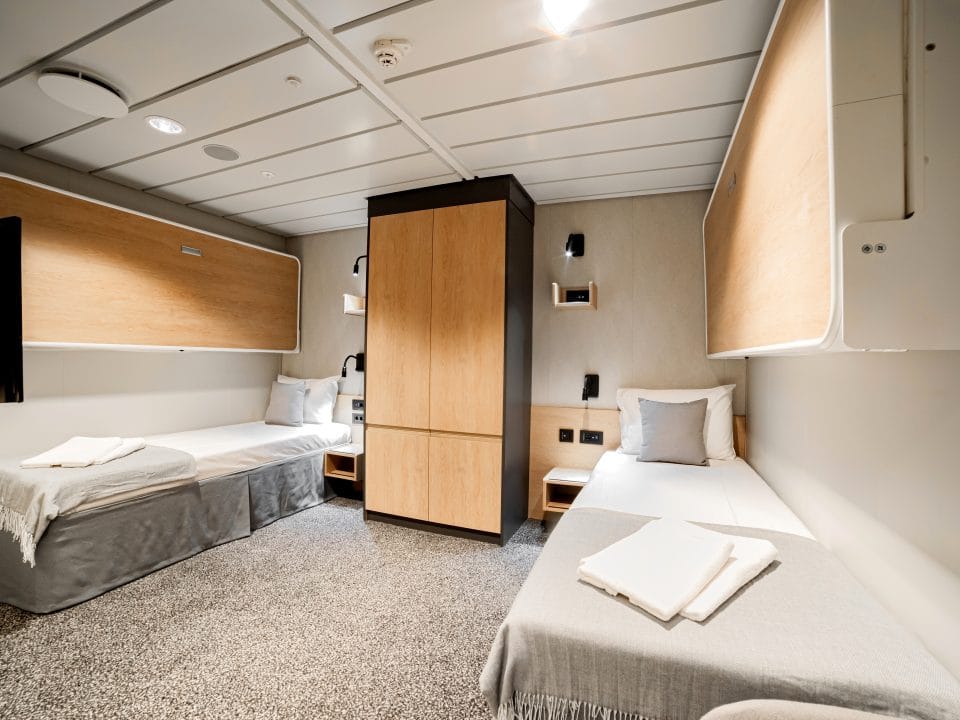
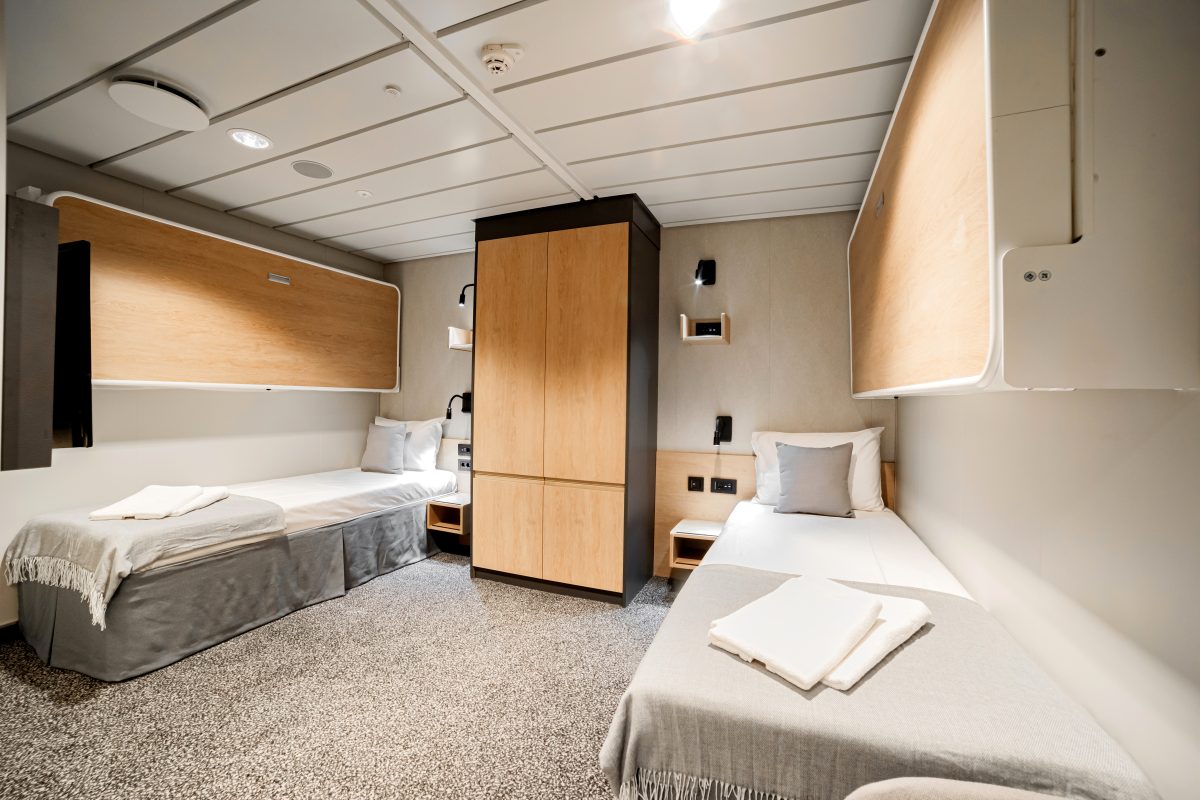
Accommodation areas are often affected indirectly by changes in technical systems. Crew cabins, mess rooms, lounges, offices, wet units and corridors must still support daily onboard life, even when the vessel’s energy strategy changes.
For crew members, the interior should remain comfortable and easy to use. Alternative fuel systems may influence noise, vibration, service access, ventilation routes or the position of technical rooms. These factors can affect rest quality, privacy and maintenance routines.
In marine interior outfitting, accommodation spaces should be planned with both comfort and technical reality in mind. A cabin needs storage, lighting, ventilation and acoustic comfort. A corridor needs safe movement and service access. A wet unit needs drainage, waterproofing and durable materials. These needs do not disappear in sustainable vessel projects; they become more closely connected to technical design.
Refit Projects Can Be More Complex
Alternative fuel adoption is not limited to newbuild vessels. Existing vessels may go through conversion, modernization or hybridization projects. These refit projects can be more complex for interiors because the team must work within an existing structure.
A refit may require removing old systems, opening panels, changing service routes or upgrading areas near technical zones. Some accommodation spaces may remain mostly unchanged. Others may need full refurbishment because the technical scope affects access, safety or material performance.
In these cases, the interior team should begin with a clear condition assessment. Before choosing finishes, the team needs to understand what already exists behind walls, ceilings and floors. A small technical change can have a larger impact on nearby interior elements.
For this reason, alternative fuel refits should not treat interior works as a late cosmetic package. Interior planning should be part of the conversion strategy from the start.
Weight and Space Efficiency
New fuel and energy systems can affect weight and space distribution. Batteries, tanks, equipment rooms or additional safety systems may change how weight is managed across the vessel. Interior materials and components should support this wider strategy.
This does not mean all interior materials must be as light as possible. Lightweight choices still need to be durable, safe and suitable for marine use. A wall panel, floor finish or furniture unit that fails early can create maintenance problems and increase long-term cost.
Project teams should review:
- Wall and ceiling system weight
- Flooring choices in high-traffic areas
- Furniture construction
- Repeated accommodation modules
- Service area durability
- Installation handling
- Maintenance requirements
A balanced interior supports both vessel efficiency and long-term usability.
Procurement and Installation Timing

Alternative fuel projects often involve tight schedules and multiple technical disciplines. Engineering, equipment installation, system testing and vessel delivery milestones can put pressure on interior works. Materials need to arrive at the right time, in the right condition and in the right sequence.
Procurement and installation planning should therefore be connected from the beginning. Certified materials, delivery timing, onboard storage, work zones and protection methods all affect the quality of the final interior.
A detailed engineering approach can help reduce late changes. Accomar’s content on detailed engineering in marine interiors gives useful context on how technical drawings, material coordination and installation control support marine interior projects.
Good planning helps prevent common problems such as access conflicts, material delays, damaged finishes and rework during onboard installation.
Interior Planning for Sustainable Vessel Projects
Sustainable vessel design is not only about propulsion. The interior also plays a role in long-term performance. Durable materials, efficient layouts, maintainable systems and coordinated installation can reduce waste, improve usability and support the vessel’s service life.
For alternative fuel vessels, interior teams should focus on practical questions:
- Can the space be maintained easily?
- Are technical access points protected?
- Do materials match the vessel’s use intensity?
- Can damaged components be repaired or replaced?
- Does the layout support safe movement?
- Are installation stages realistic for the shipyard schedule?
These questions help create interiors that are not only aligned with sustainable vessel goals but also practical for daily operation.
FAQ
Do alternative fuels directly change ship interiors?
They can. Alternative fuels may affect technical spaces, ventilation routes, safety zones, access requirements, weight distribution and installation planning. These factors can influence nearby interiors and accommodation areas.
Why should interior teams be involved early in alternative fuel projects?
Early involvement helps prevent conflicts between technical systems and interior components. It also supports better material planning, installation sequencing and maintenance access.
Are alternative fuel impacts the same in newbuild and refit projects?
No. Newbuild projects allow earlier integration, while refit projects must work within an existing vessel. Refit projects often require more assessment because old systems, access limits and existing interiors shape the scope.
Connecting New Energy Systems with Practical Interiors
Alternative fuels and ship interior systems should be considered together because technical changes can affect accommodation layouts, material choices, safety access, weight balance and onboard installation. The strongest projects are the ones where interiors are coordinated with engineering from the early stages.
Accomar works on marine interior outfitting projects where accommodation areas, technical coordination, material planning and onboard execution need to support each other. Project teams can contact Accomar through the contact page to discuss interior requirements for newbuild, refit and sustainable vessel projects.