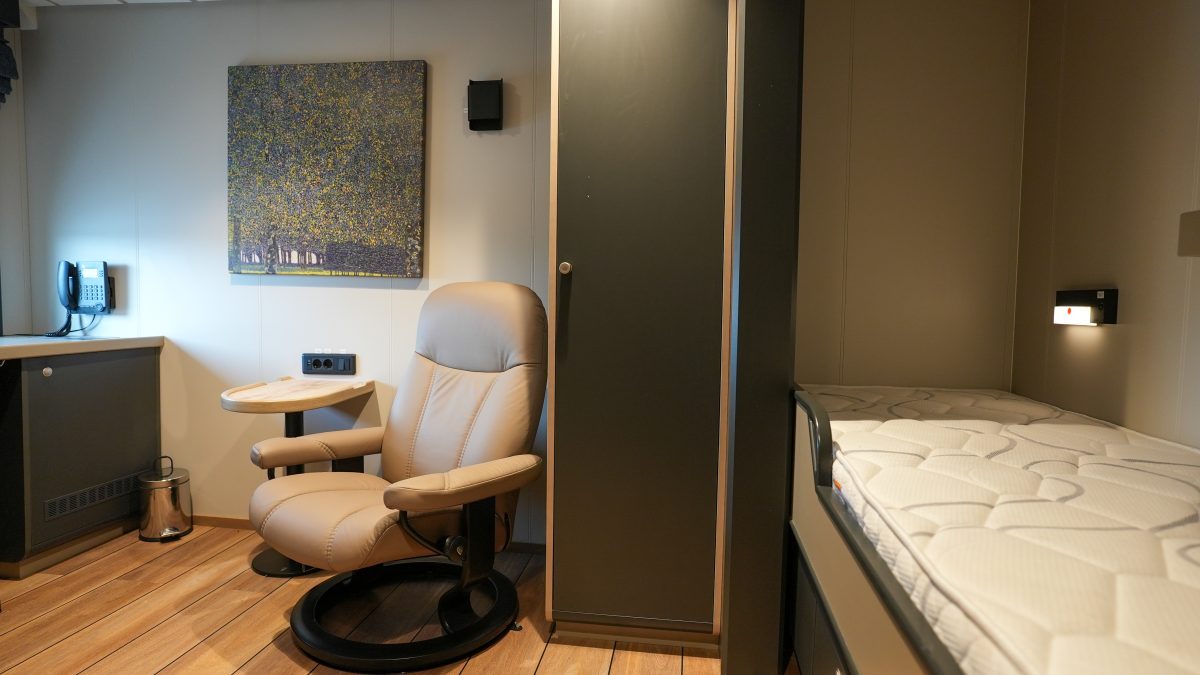
How Are Offshore Service Operation Vessel Interiors Planned?
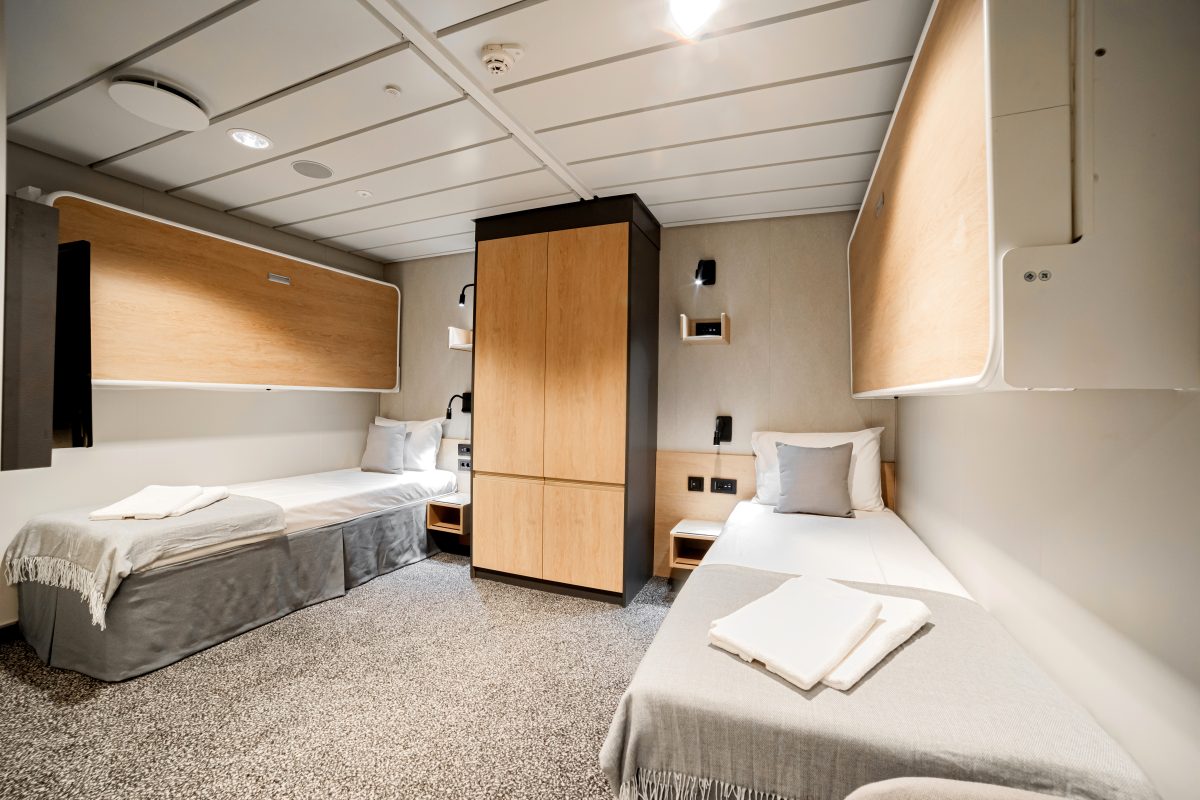


Accommodation outfitting in newbuild vessel projects starts long before installation begins onboard. It begins with understanding how the vessel will be used, who will live or work inside it, which spaces are needed and how the interior will connect with the vessel’s technical structure. Cabins, corridors, wet units, mess rooms, offices, lounges and service areas all need to work as part of one complete accommodation system.
In a newbuild project, accommodation areas are not separate decorative zones. They are functional interiors built inside a complex marine environment. The process needs careful coordination between shipyards, owners, designers, engineers, suppliers and installation teams. When this coordination is strong, the vessel gains practical, durable and safe interiors that support daily onboard life.
For Accomar, marine interior outfitting is closely connected to planning, material control, workmanship and onboard installation. The success of a newbuild accommodation project depends on how well these stages are connected from the beginning.
Starting with Vessel Type and Operational Needs
Every newbuild vessel has a different accommodation logic. A ferry, cruise vessel, offshore support vessel, fishing vessel and cable lay support vessel do not need the same interior approach.
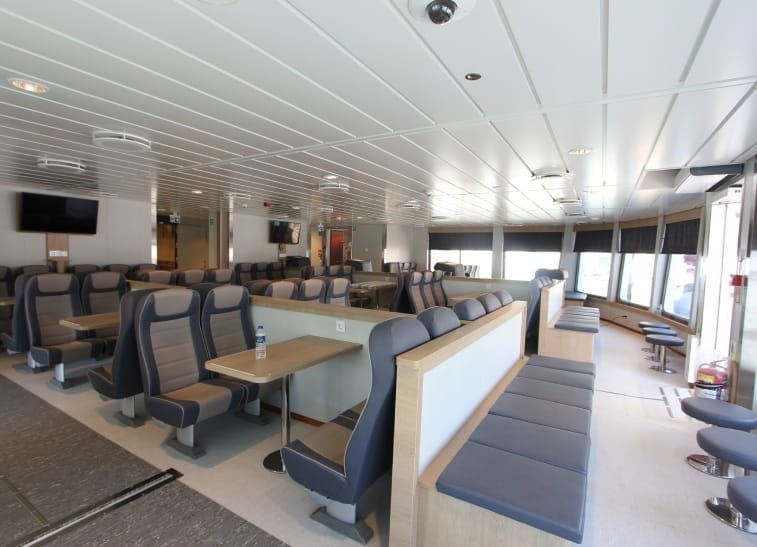
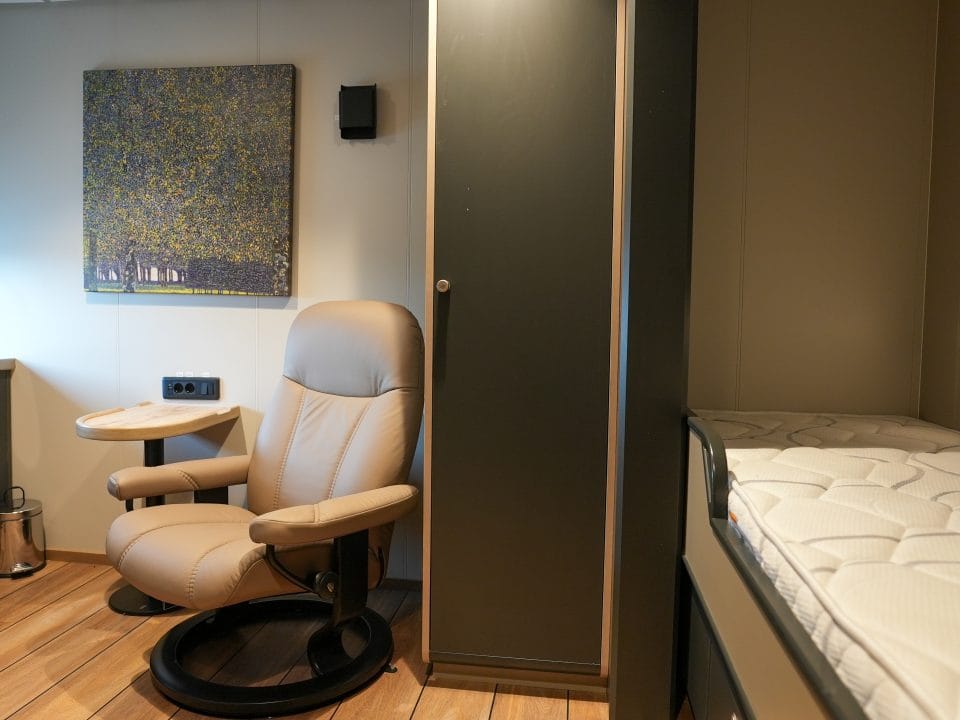
A ferry may need passenger areas, crew rooms, fast circulation and service points. An offshore vessel may need stronger crew accommodation, offices, changing rooms and storage. A fishing vessel may need compact but practical living spaces for long working periods at sea. A cruise vessel may require more attention to comfort, visual quality and hospitality standards.
This early analysis shapes the full accommodation plan. Project teams should define:
- Number of people onboard
- Cabin and shared area requirements
- Crew and passenger circulation
- Wet area locations
- Storage and service needs
- Material performance expectations
- Maintenance access
- Installation sequence
A strong newbuild vessel interior starts with a clear understanding of the vessel’s function. Without this step, later design and installation decisions may look correct on paper but become difficult to use onboard.
Space Planning Before Material Selection
Space planning should come before detailed material decisions. At this stage, the project team reviews layouts, circulation routes, accommodation zones, shared areas and user comfort together.
For newbuild vessels, space planning must respect both human use and technical restrictions. Cabin dimensions, corridor widths, ceiling heights, service shafts, HVAC routes and escape paths all affect the interior layout. The aim is to create spaces that are easy to move through, easy to maintain and practical for daily use.
This stage is also where conflicts can be reduced early. A corridor may need more than visual balance; it may also need access to technical panels. A wet unit may look compact but still needs ventilation, drainage and maintenance access. A cabin may need built-in storage without blocking movement.
When space planning is handled carefully, the accommodation layout becomes easier to detail, supply and install.
Detailed Engineering and Technical Coordination
After the main layout is agreed, the project moves into detailed engineering. This is where design decisions become buildable details. Dimensions, material interfaces, fixing points, access panels, doors, ceilings, flooring and furniture need to be coordinated with the vessel’s technical systems.
In accommodation outfitting, detailed engineering helps prevent conflicts between interiors and systems such as electrical routes, HVAC, piping, insulation and structural elements. A ceiling system may need to allow service access. A wall panel may need to align with a door frame or furniture unit. A wet unit must coordinate with drainage and waterproofing.
Technical coordination should not be left until the installation stage. Late changes can affect procurement, workmanship, schedule and quality. For a deeper look at this subject, Accomar’s article on detailed engineering in marine interiors is a relevant internal reference.
Material Selection for Marine Conditions
Material selection is one of the most important parts of newbuild accommodation outfitting. Marine interiors face vibration, moisture, frequent cleaning, limited space and long-term use. Materials need to perform under these conditions while supporting safety, comfort and maintenance.
Accommodation areas may require:
- Fire-rated wall and ceiling systems
- Durable flooring
- Moisture-resistant surfaces
- Acoustic insulation
- Practical furniture materials
- Strong fixing details
- Easy-to-clean finishes
- Long-lasting doors, panels and trims
The aim is not to select the most expensive material. The aim is to select the right material for the vessel type, area function and project specification. A crew corridor, cabin, lounge, galley-adjacent area and wet unit each need a different performance balance.
Material decisions should be made early because they affect cost planning, procurement, installation time and long-term maintenance.
Procurement and Delivery Timing
Newbuild vessel projects depend heavily on timing. Interior materials need to arrive at the right stage of the shipbuilding schedule. Late delivery can delay installation. Early delivery without proper storage can create damage risk.
This is why procurement planning should be connected with engineering and installation from the start. Certified materials, approved suppliers, transport timing, storage conditions, labeling and delivery sequence all affect the success of vessel accommodation work.
In marine projects, procurement and supply chain management is not only a purchasing task. It is part of keeping the project buildable and ready for onboard work.
A strong supply chain plan should define:
- Which materials are needed
- When they must arrive
- How they will be packed and protected
- Where they will be stored
- Which installation stage they support
- Which items require certification or approval
When procurement is aligned with technical drawings and installation sequence, the project becomes easier to control.
Production, Preparation and Quality Control
Before onboard installation begins, many accommodation components need to be prepared, checked and protected. Wall panels, ceiling systems, doors, furniture, wet units and finishing materials may require pre-production, labeling or partial assembly.
Quality control at this stage reduces the risk of errors during shipyard work. Components should match approved drawings, dimensions and material specifications. Packaging should protect surfaces and edges. Labels should help installation teams identify where each part belongs.
Newbuild accommodation projects often include repeated spaces. Several cabins, corridors or service areas may use similar components. A small production error can therefore repeat across many areas. Careful preparation helps avoid rework and schedule pressure.
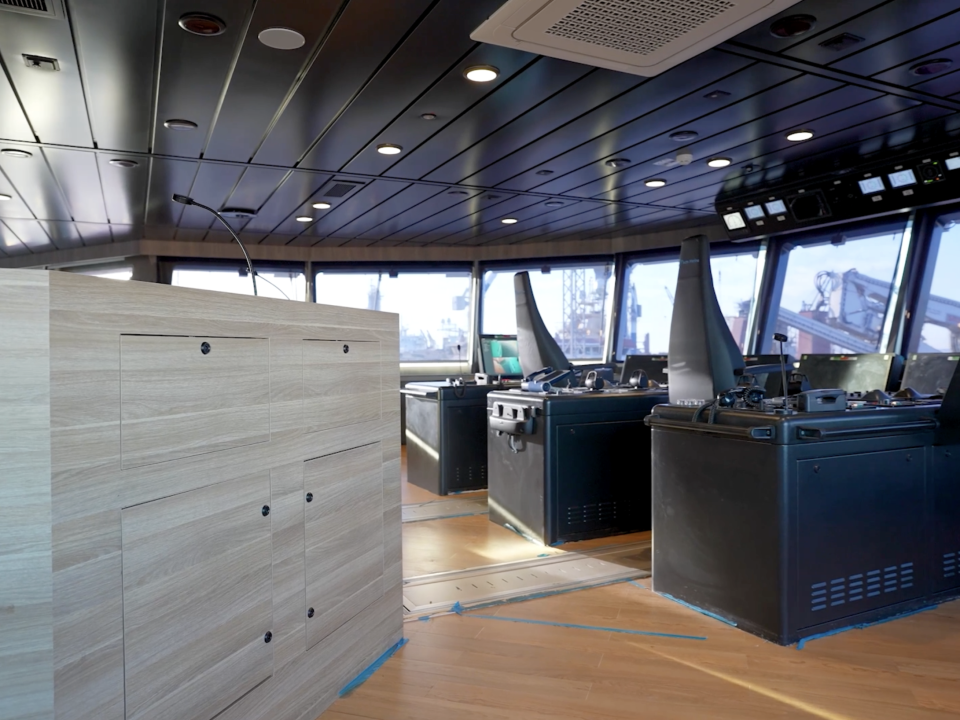
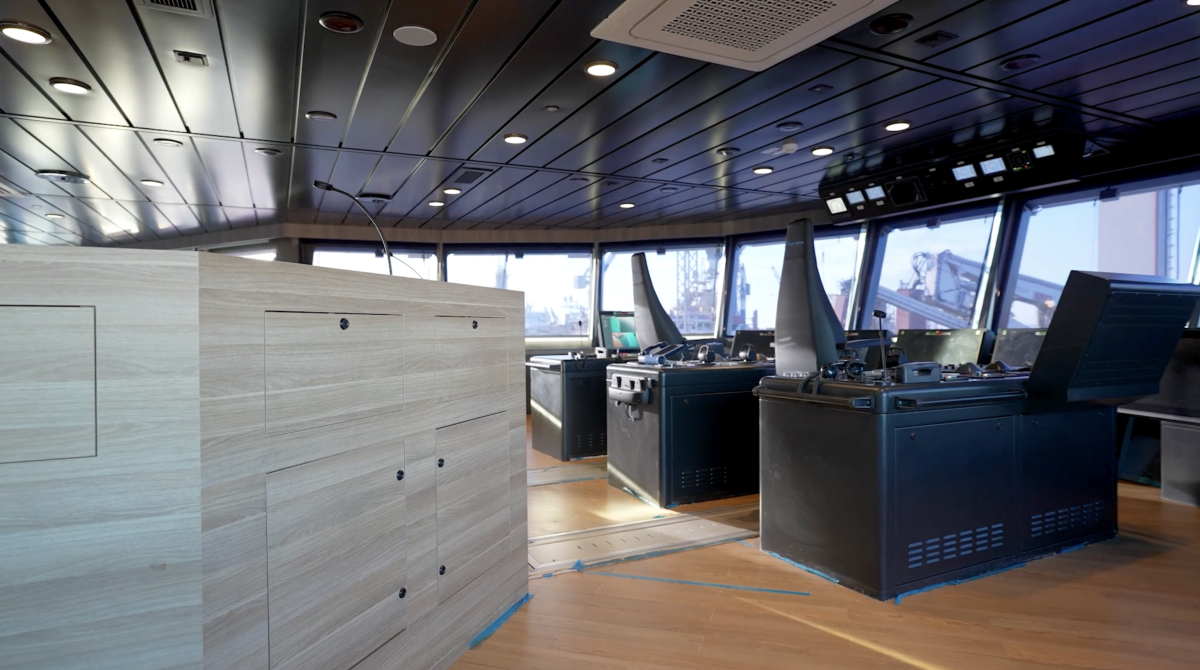
Projects such as CECON VIGOR show how accommodation areas, crew spaces and service zones can be managed within a wider marine interior scope.
Onboard Installation and Workmanship
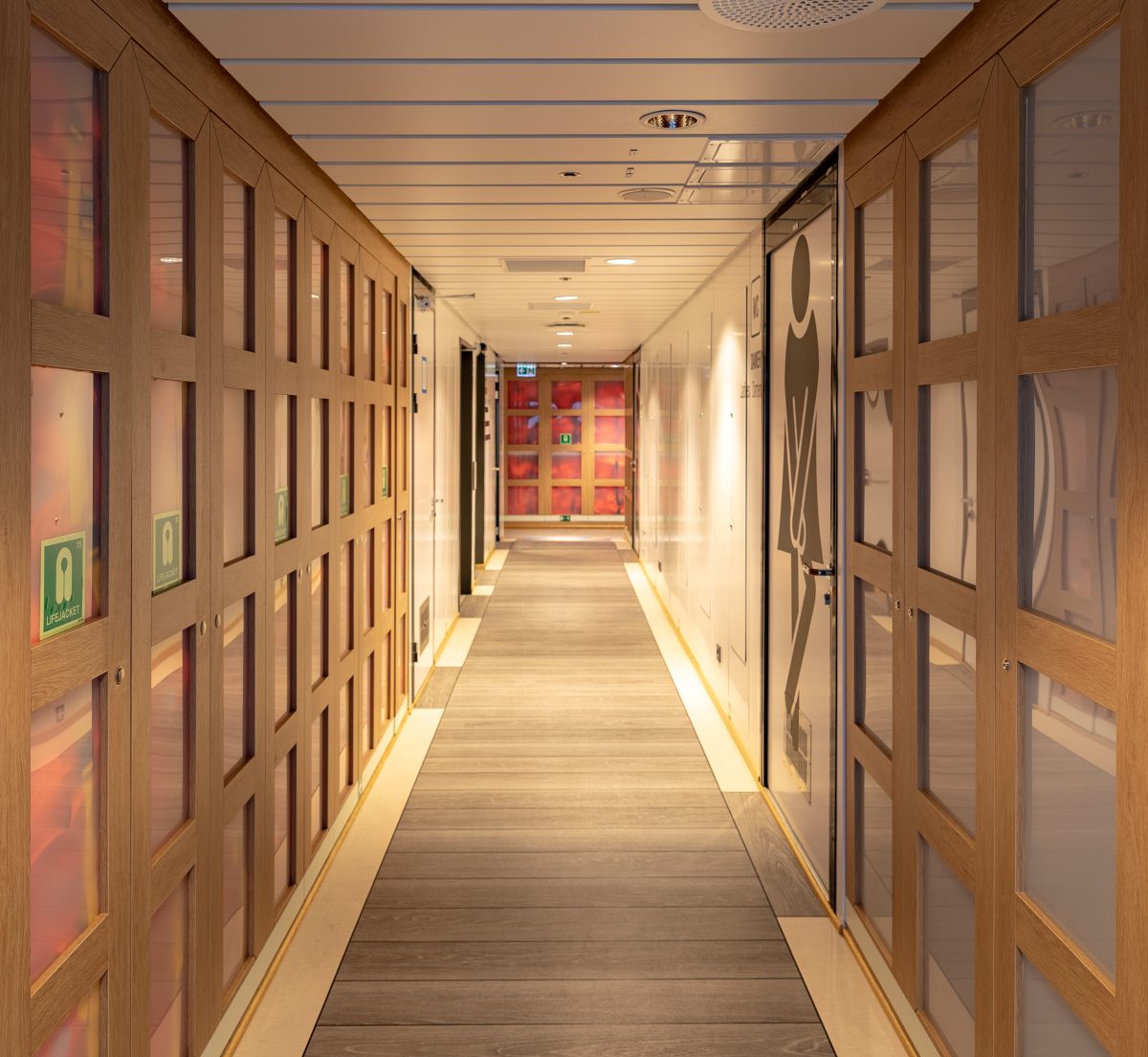
Onboard installation is where the planning becomes visible inside the vessel. It is often one of the most sensitive stages of the project because many teams may work in the same shipyard environment at the same time.
Installation teams need clear drawings, protected materials, safe access and coordinated work zones. Walls, ceilings, flooring, insulation, wet units, furniture and finishing details should follow the agreed installation sequence. If this sequence is not controlled, the risk of damage, access conflicts and rework increases.
Good workmanship is not only about clean finishes. It also protects alignment, access, safety and long-term performance. A panel that looks correct but blocks service access can create problems later. A floor finish that is not protected during other works can lose quality before delivery. A cabin unit that is installed out of sequence can slow down nearby work.
For this reason, onboard installation should be planned as part of the full accommodation outfitting process, not as a final standalone step.
Project Coordination from Start to Delivery
Accommodation outfitting in newbuild vessels requires continuous coordination. The work does not move in a straight line from design to installation. Shipyard conditions, engineering updates, material approvals and installation timing may change during the project.
This is why marine interior project management matters. Project teams need to track drawings, material status, production progress, delivery timing, installation quality and handover requirements.
A coordinated process helps prevent:
- Late design conflicts
- Material delays
- Installation errors
- Damage during onboard work
- Access problems after delivery
- Inconsistent quality across similar spaces
The strongest projects are usually the ones where design, engineering, procurement and installation teams work with the same information from the early stages.
FAQ
What is accommodation outfitting in newbuild vessel projects?
Accommodation outfitting covers the planning, supply and installation of onboard living and service areas such as cabins, corridors, wet units, lounges, mess rooms, offices and crew spaces.
Why is coordination important in newbuild vessel interiors?
Newbuild interiors must work with ship structure, engineering systems, safety requirements and shipyard schedules. Good coordination reduces conflicts, delays and rework during installation.
Which teams are involved in accommodation outfitting?
Shipyards, owners, designers, engineers, procurement teams, suppliers and onboard installation teams are usually involved. A coordinated project approach helps these teams work with the same information.
Building Better Vessel Accommodation from the Start
Accommodation outfitting in newbuild vessel projects requires early planning, technical coordination, material control, supply chain planning and accurate onboard installation. When these stages are connected, ship accommodation areas become safer, more durable and easier to use in daily vessel operations.
Accomar works on marine interior outfitting and vessel accommodation projects where planning, materials, workmanship and onboard execution need to support each other. Project teams can contact Accomar through the contact page to discuss accommodation requirements for their next newbuild vessel project.