Loose Furniture and Built-in Furniture Planning for Marine Accommodation Areas

How Are Fire, Acoustic and Certification Criteria Managed in Marine Interior Projects?
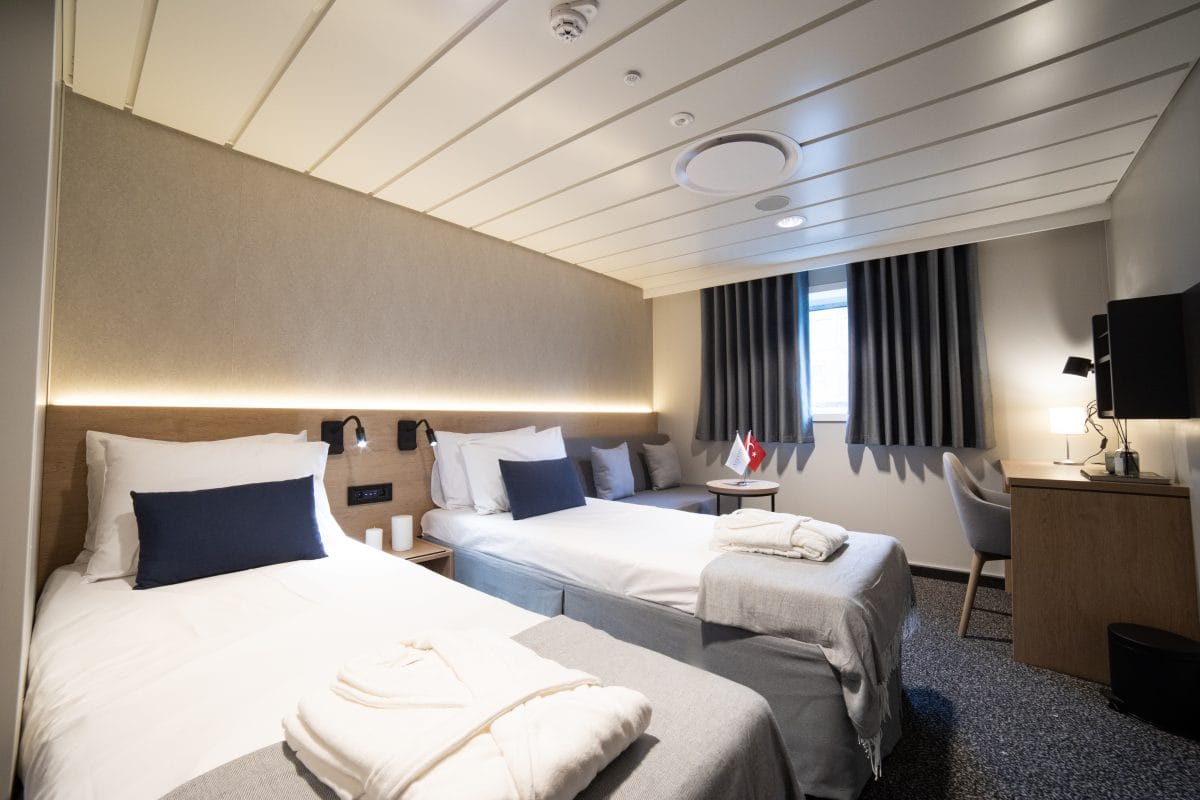


Detailed engineering in marine interiors is one of the key stages that connects design intent with real onboard application. A vessel interior may begin with a strong concept, yet the success of the project depends on how accurately that concept is translated into drawings, material specifications, production details and installation instructions.
In marine interior outfitting, every millimeter matters. Cabins, corridors, lounges, wet areas, crew spaces and service zones contain many overlapping systems. Wall panels, ceilings, flooring, fixed furniture, lighting, ventilation, plumbing routes, access panels and fire-rated elements must work together. Without detailed engineering in marine interiors, design decisions may remain too general for production and onboard installation.
Accomar evaluates detailed engineering as a controlled bridge between interior architecture, material supply, manufacturing and workmanship. This approach helps shipowners, shipyards and project teams reduce conflicts before they reach the vessel.
Why Does Detailed Engineering Matter in Marine Interiors?
Marine interiors are different from land-based interiors because they are shaped by vessel movement, limited spaces, strict safety expectations, weight control and installation constraints. A drawing that looks complete at concept level may not be sufficient for production teams or certified installers.
Detailed engineering in marine interiors clarifies how each element will be produced, transported, positioned and fixed. It defines dimensions, tolerances, material layers, joint details, access points and connection methods. This level of clarity helps prevent rework, site delays and quality inconsistencies.
Accomar’s detailed engineering and supplied materials service supports this stage by aligning technical drawings with selected materials, production needs and installation realities.
Shop Drawings as the Technical Language of the Project
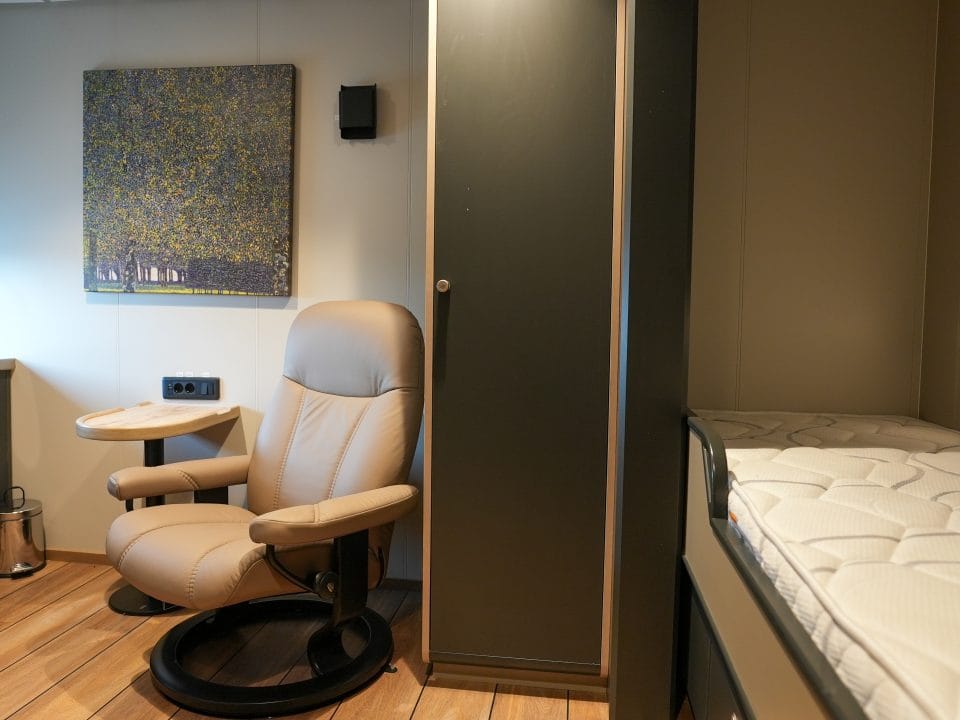
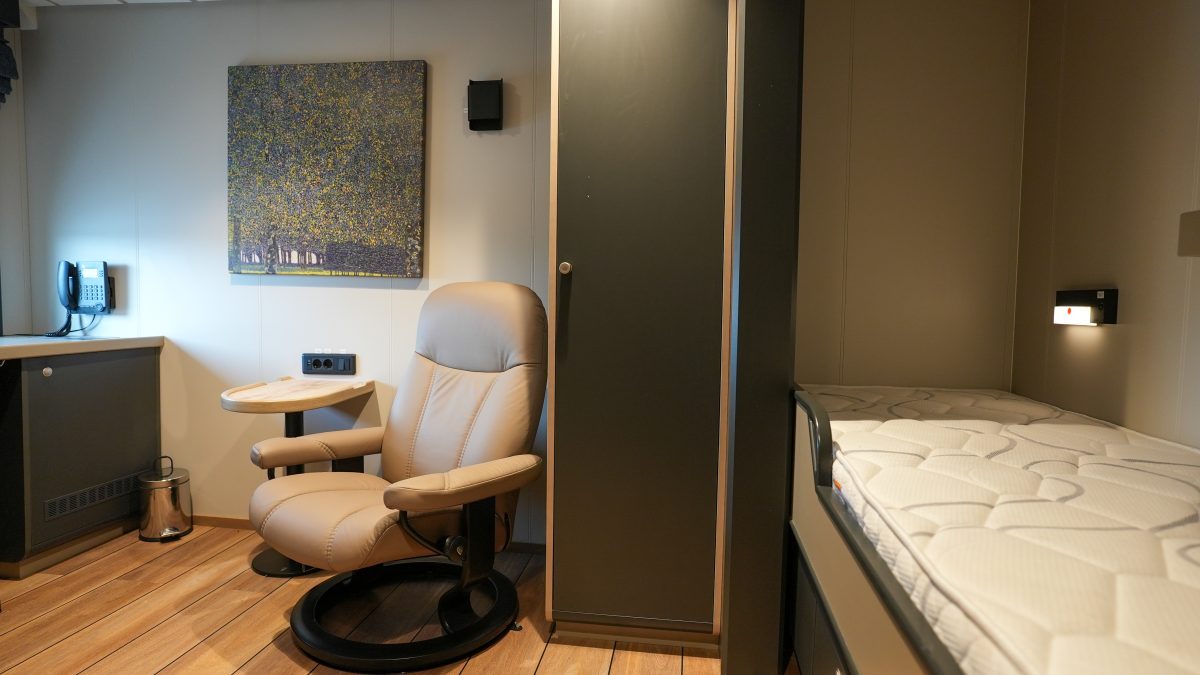
Shop drawings translate the design into production-ready information. They show how interior elements will be manufactured and assembled. In marine interiors, shop drawings may cover wall panels, ceiling systems, doors, built-in furniture, counters, storage units, wet unit elements and technical access points.
A strong shop drawing package should answer practical questions before work begins. How will panels meet at corners? Where will service access be located? How will furniture align with wall cladding? Which fixing method will be used? How will tolerances be managed?
When shop drawings are weak or delayed, teams may need to make decisions onsite. This can increase risk because vessel installation conditions are less flexible than workshop conditions. Production teams need clear documentation before fabrication starts. Installation teams need the same clarity before onboard work begins.
Material Coordination and System Compatibility
Material coordination is a major part of detailed engineering in marine interiors. Materials must be evaluated not only by appearance, but by performance, compliance, thickness, weight, maintenance needs and compatibility with surrounding elements.
Wall panels, flooring, ceiling materials, laminates, veneers, hardware, sealants and furniture components should be coordinated as part of a complete system. A panel thickness can affect door details. A flooring build-up can change furniture alignment. A ceiling detail can influence lighting and ventilation placement.
Accomar’s procurement and supply chain management process helps keep material supply aligned with technical requirements and project timing. This is critical because even a small material change can affect drawings, production and installation sequence.
Coordination Between Design, Engineering and Production
Detailed engineering should not be treated as an isolated technical step. It works best when architects, engineers, procurement teams, production teams and installation specialists communicate from the early stages.
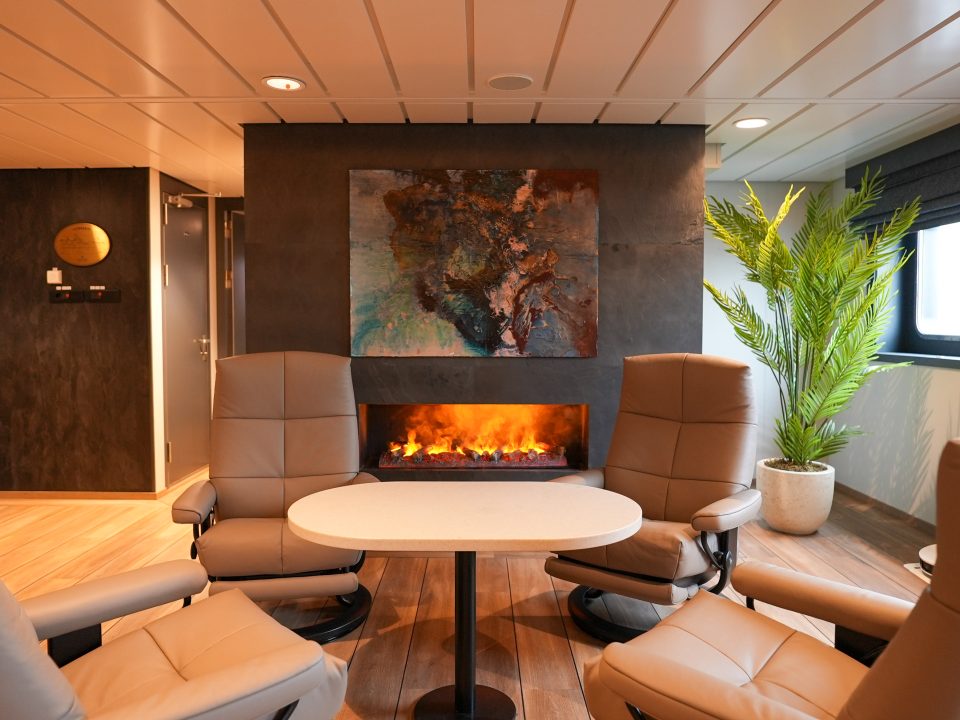
Design teams define the atmosphere, function and spatial logic. Engineers check dimensions, systems, tolerances and technical feasibility. Procurement teams confirm material availability and delivery planning. Production teams need accurate drawings and approved specifications. Installation teams need details that match real onboard conditions.
This coordination creates a more predictable project flow. In newbuild projects, it supports alignment with the shipyard schedule. In refurbishment projects, it helps respond to existing structures, limited access and operational deadlines.
Accomar’s project coordination and master planning approach supports this communication across disciplines.
Installation Control and Onboard Accuracy
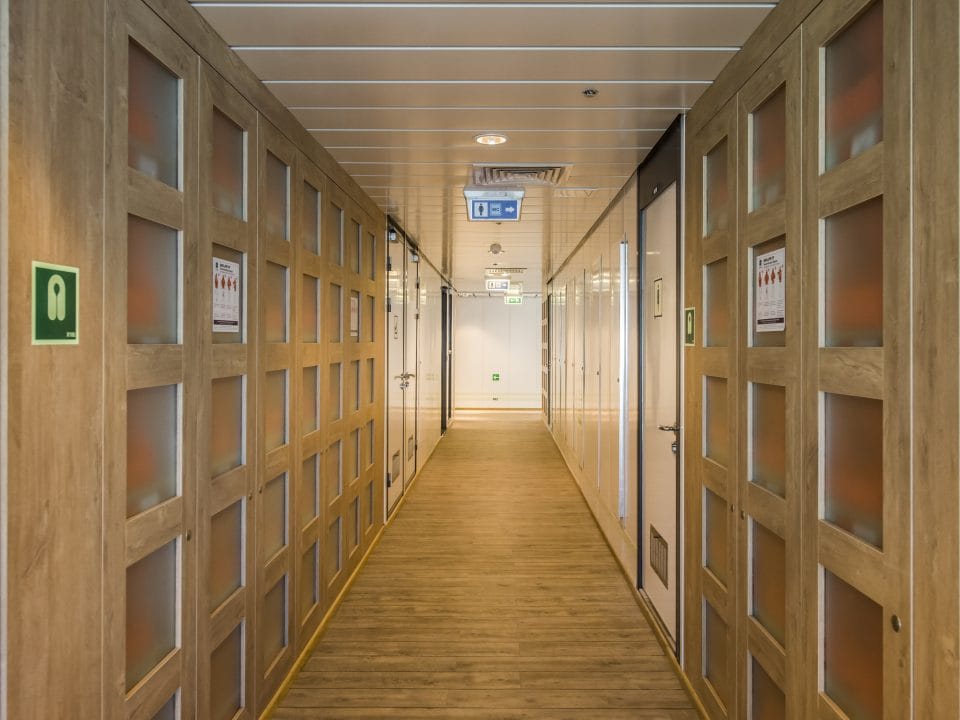
Onboard installation is where detailed engineering is tested. Drawings, materials and production details must match the actual vessel environment. Narrow corridors, limited storage, other subcontractors and strict schedules can make installation challenging.
Installation control includes checking dimensions, verifying material delivery, managing tolerances, protecting finished surfaces and following approved fixing methods. Built-in furniture, panels, ceilings and wet area components must align correctly with surrounding systems.
A well-engineered marine interior reduces uncertainty during onboard installation. Installers can work faster and more accurately when details are clear. Project managers can monitor progress with fewer unexpected revisions.
Accomar’s workmanship and onboard installation experience helps connect engineering documentation with real site execution.
Common Risks When Detailed Engineering Is Weak
Weak detailed engineering can create several project risks. The most common problems include mismatched dimensions, unclear fixing details, late material substitutions, missing access panels and conflicts between interior elements and technical systems.
These risks may seem small in early stages, yet they can become costly during onboard installation. A panel that does not align with a ceiling detail may require rework. A furniture unit that blocks service access may affect maintenance. A delayed material decision may slow production.
For shipowners and shipyards, stronger engineering means better cost control, clearer responsibilities and more reliable delivery.
From Technical Detail to Project Confidence
Detailed engineering in marine interiors transforms design into controlled execution. It gives project teams the information needed to manufacture, supply and install interior elements with accuracy. When shop drawings, material coordination and installation control are managed together, vessel interiors can be delivered with fewer conflicts and stronger quality consistency.
Accomar’s turnkey marine interior outfitting approach connects detailed engineering with concept design, procurement, production, logistics and onboard installation. With its marine interior project management focus, Accomar helps turn technical requirements into safe, functional and well-coordinated vessel accommodation areas.
For newbuild and refurbishment projects, detailed engineering should be handled as part of the full marine interior strategy. Accomar supports shipowners, shipyards and project teams with concept design, detailed engineering, material coordination, production and onboard installation services. To discuss your vessel interior project, you can contact Accomar through the contact page.