Wet Unit Design in Marine Interiors: Safety, Hygiene and Installation Planning for Vessel Wet Areas
Detailed Engineering in Marine Interiors: Shop Drawings, Material Coordination and Installation Control
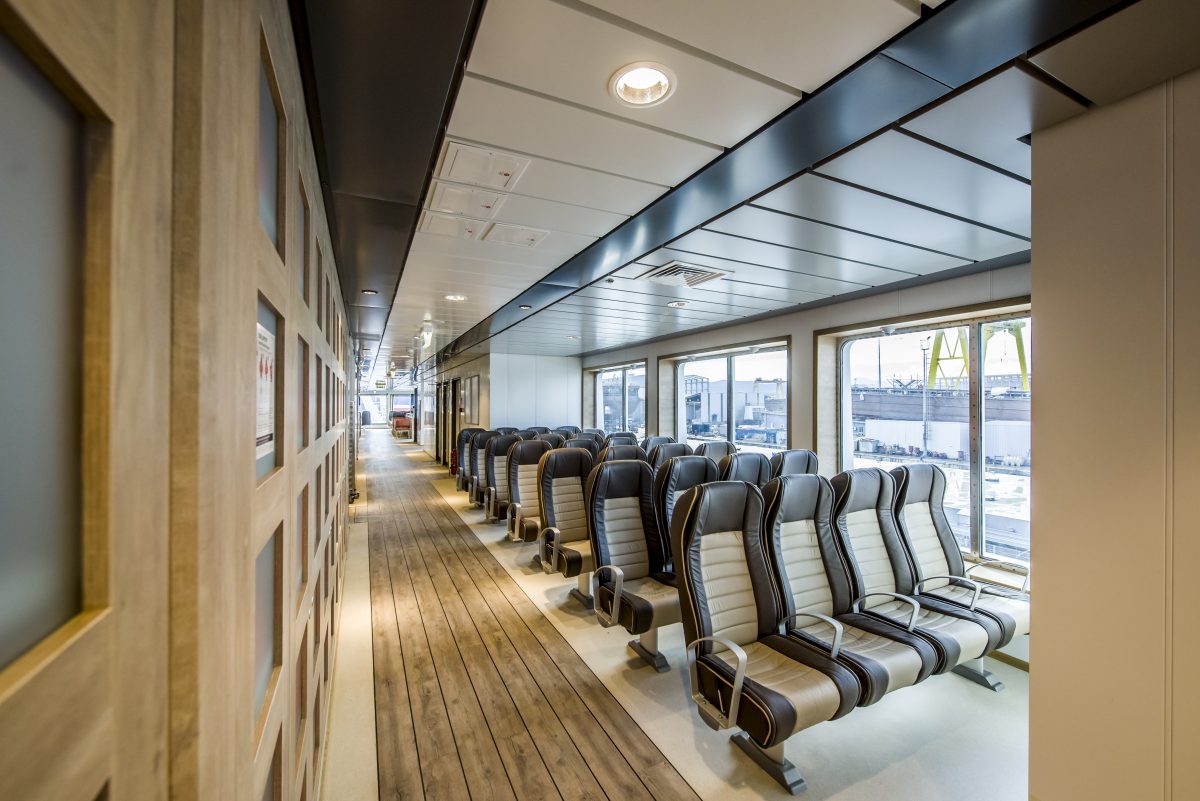


Loose furniture and built-in furniture planning for marine accommodation areas is a critical part of vessel interior performance. Furniture inside a ship is not selected only for visual harmony. It must support safe movement, efficient space use, long-term durability, installation accuracy and daily operational needs. In marine interiors, every seat, cabinet, bed unit, table, wall-mounted element and storage component affects how passengers and crew experience the vessel.
Marine accommodation areas include passenger cabins, crew cabins, lounges, dining rooms, reception areas, corridors, officer spaces and service zones. Each area requires a different furniture strategy. Some spaces need fixed furniture for stability and safety. Others require loose furniture to support flexibility, maintenance and user comfort. A successful marine interior project balances both approaches through technical planning.
Accomar evaluates loose furniture and built-in furniture planning as part of a wider marine interior outfitting process. Concept design, detailed engineering, material coordination, manufacturing, logistics and onboard installation should work together. When furniture is planned separately from the vessel’s interior architecture, problems may appear during installation, operation or maintenance.
Why Does Furniture Planning Require a Marine-Specific Approach?
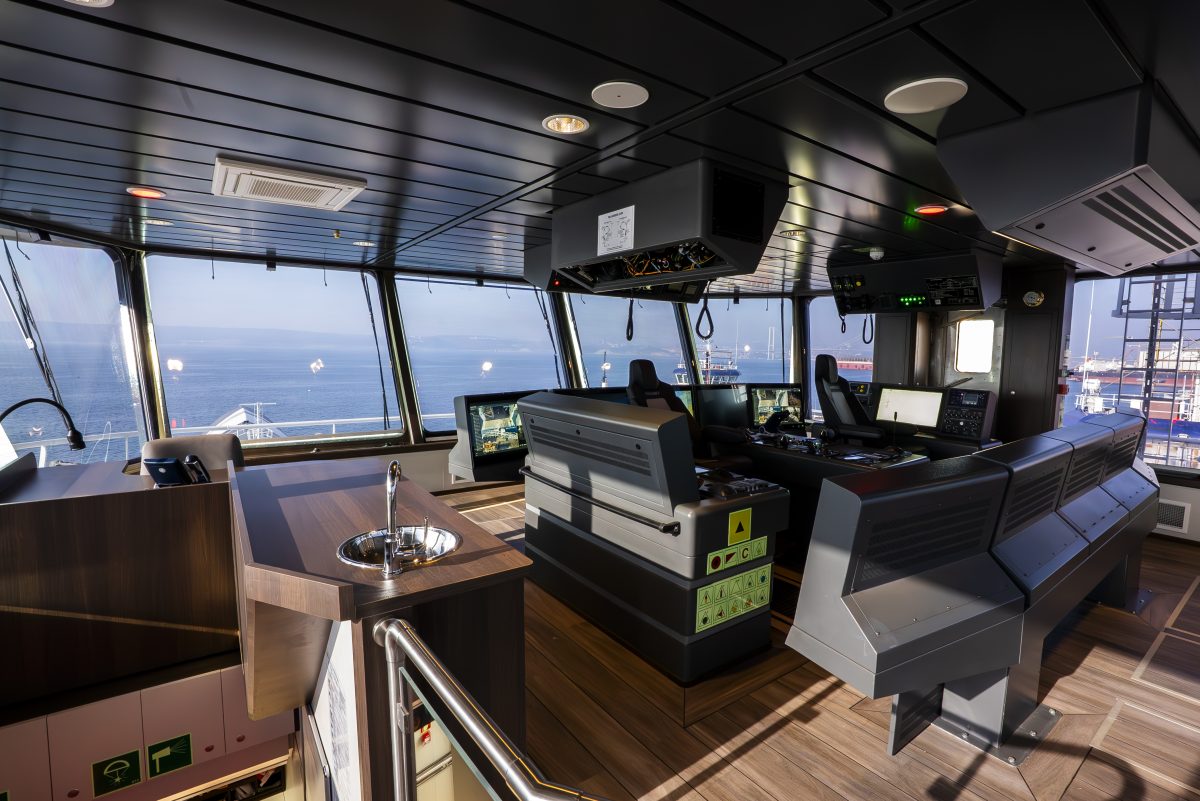
Furniture used in land-based interiors cannot be transferred directly into marine accommodation areas. Ships operate with movement, vibration, humidity, weight limitations, fire safety requirements and restricted installation routes. Because of these conditions, marine furniture planning must be technical as well as aesthetic.
A lounge chair, cabin desk or built-in wardrobe may seem simple at first glance. In a vessel interior, each piece must be evaluated according to weight, fixing method, cleaning access, user safety and compatibility with surrounding systems. Loose furniture should remain stable under vessel movement. Built-in furniture should align with wall panels, ceiling systems, flooring transitions, lighting, ventilation and service access points.
The planning process should begin during early design stages. Late furniture decisions can cause layout conflicts, dimensional errors, procurement delays and installation challenges. Accomar’s interior architecture and concept design approach helps align furniture planning with space function, user profile and project requirements from the beginning.
What Is Loose Furniture in Marine Accommodation Areas?
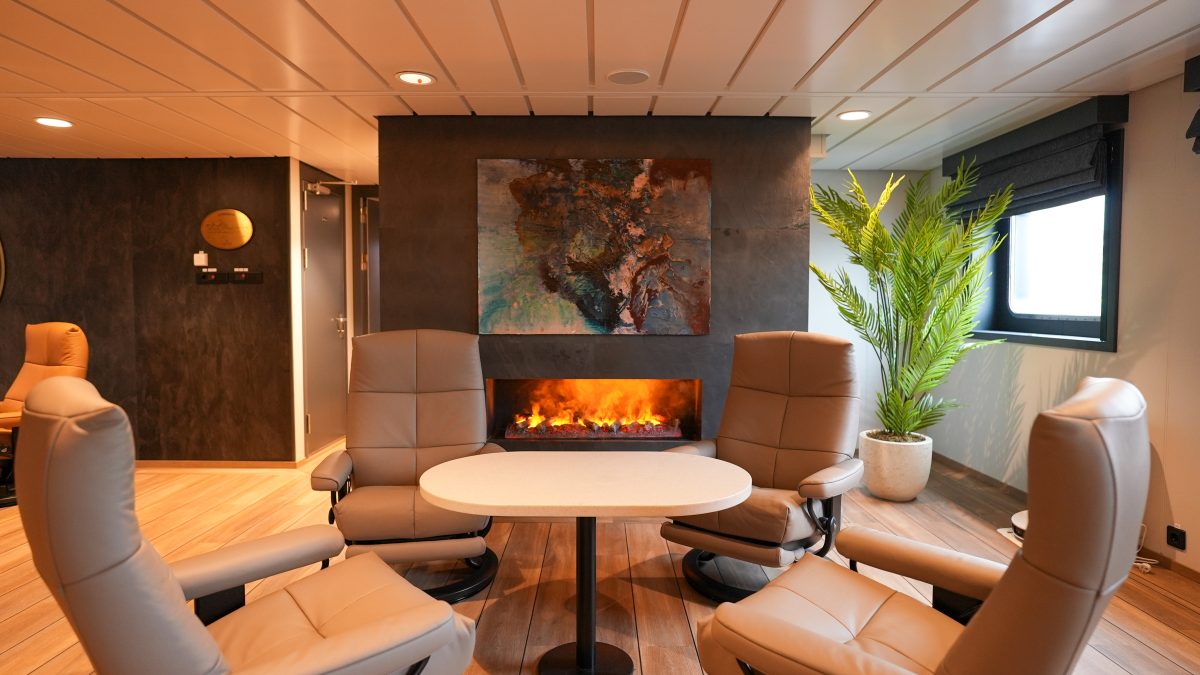
Loose furniture refers to movable or semi-movable furniture elements used inside vessel interiors. These may include lounge chairs, dining chairs, sofas, coffee tables, stools, movable desks, side tables and selected decorative elements.
In marine accommodation areas, loose furniture supports flexibility and comfort. Lounges, restaurants, waiting areas and social spaces often need furniture that can adapt to different passenger flows or service needs. In some vessel types, loose furniture can help create a warmer and more hospitality-focused interior atmosphere.
Still, loose furniture must be planned with control. Unsecured or poorly selected items can create safety risks during vessel movement. For this reason, loose furniture selection should consider weight, center of gravity, floor contact, fixing options, upholstery durability and cleaning requirements.
Key Criteria for Loose Furniture
Loose furniture should be selected according to project-specific criteria:
- Stability under vessel movement
- Durable upholstery and marine-suitable surfaces
- Easy cleaning and maintenance
- Compatibility with circulation routes
- Fire performance and material compliance
- Visual harmony with the interior concept
The goal is not to fill the space with attractive furniture. The goal is to create a controlled and usable interior where each piece supports the vessel’s operational reality.
What Is Built-in Furniture in Marine Interiors?
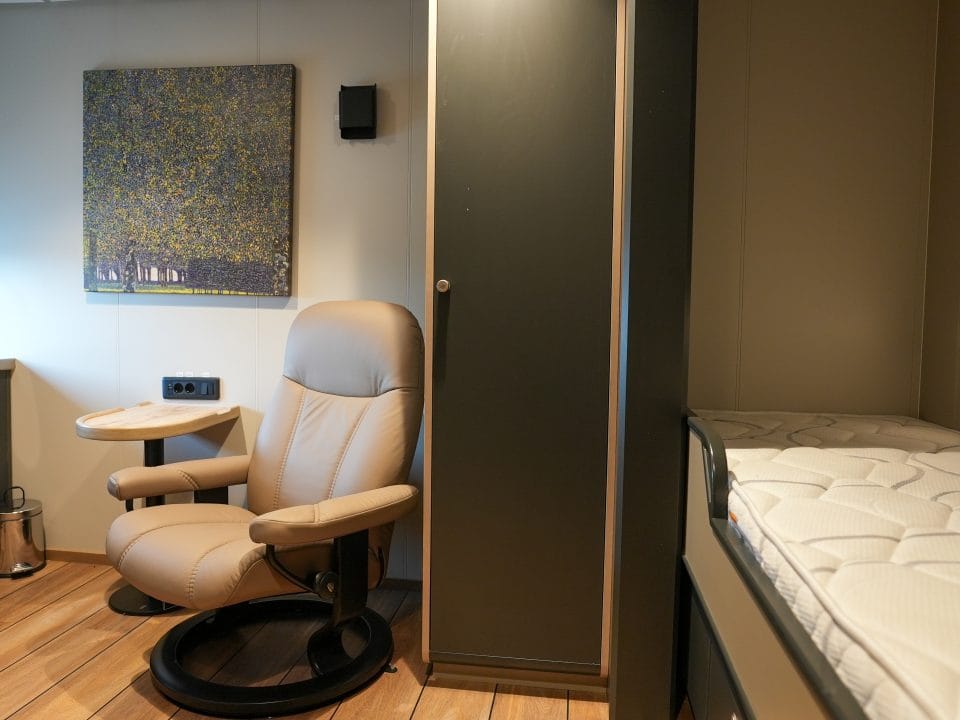
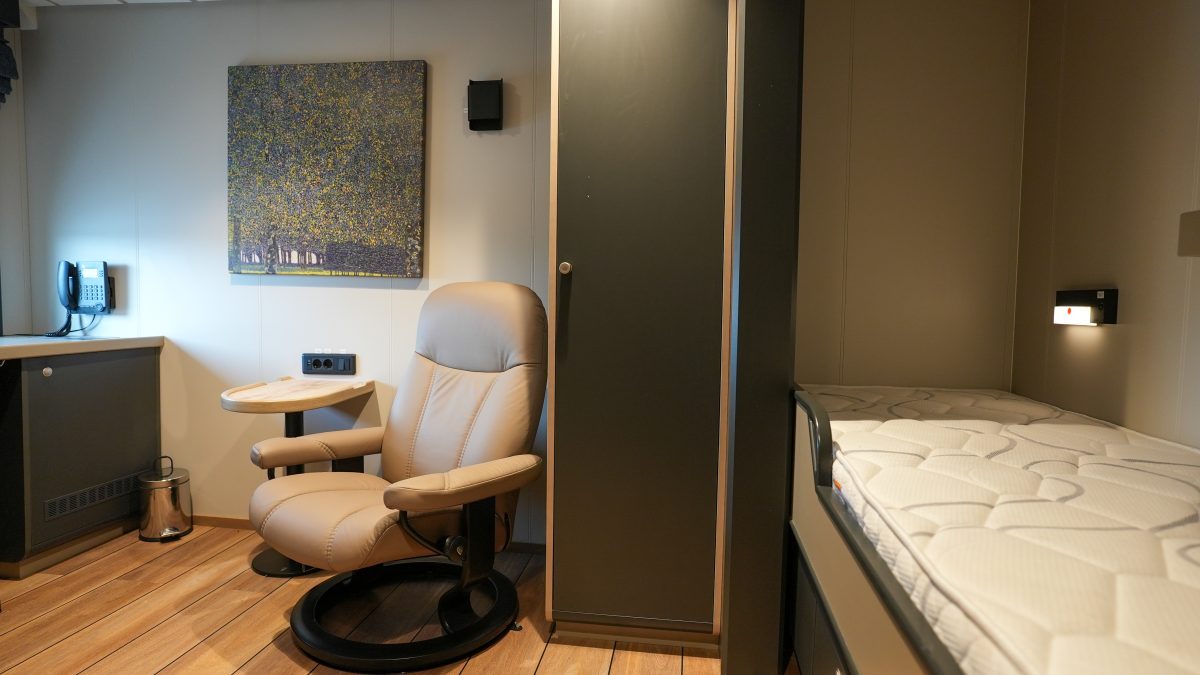
Built-in furniture refers to fixed or integrated furniture elements that become part of the interior architecture. Cabin beds, wardrobes, wall-mounted storage units, desks, vanity units, benches, reception counters, service cabinets and integrated shelving systems can be included in this category.
Built-in furniture is especially valuable in compact marine accommodation areas because it supports space efficiency and structural coordination. In a cabin, for example, the bed unit, storage system, desk and wet unit access should be planned as a complete interior layout. Every centimeter matters.
Unlike loose furniture, built-in furniture requires more detailed engineering. Dimensions, fixing points, panel joints, material thicknesses, access panels and service voids should be clarified before production. Poor coordination can lead to installation gaps, misalignment or rework onboard.
Accomar’s detailed engineering and supplied materials service supports this process by connecting design intent with production-ready documentation, technical drawings and material specifications.
Balancing Loose and Built-in Furniture
A strong marine interior does not rely on only one furniture type. The most successful accommodation areas combine loose furniture and built-in furniture according to function.
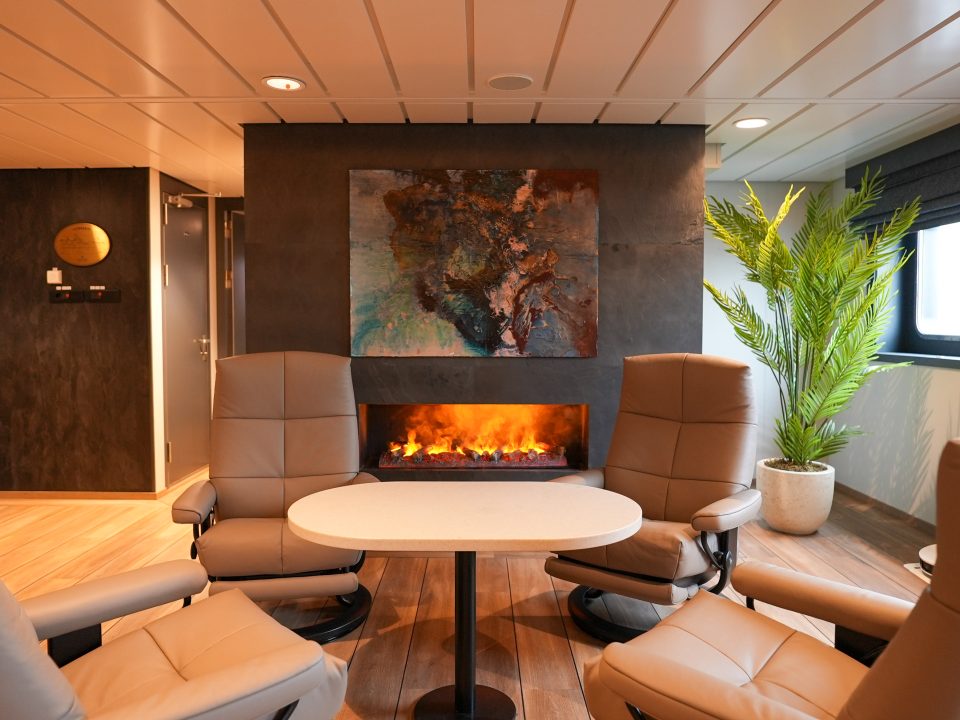
Built-in furniture usually defines the architectural structure of the space. It supports storage, integrated services, durability and controlled installation. Loose furniture adds comfort, flexibility and human scale. In a lounge, for example, built-in benches or wall units may organize the perimeter, while loose chairs and tables create flexible seating groups.
In cabins, built-in beds, wardrobes and desks help maximize limited space. Loose elements may be kept minimal to avoid circulation problems. In public areas, loose furniture can be used more freely, yet it still needs to follow safety and movement rules.
The key is not to treat furniture as decoration after construction. Furniture should be part of the interior project from the first planning stages.
Ergonomics and User Comfort
Furniture planning directly affects passenger and crew comfort. Seat height, table distance, storage reach, bed access and movement clearance should be evaluated according to real use.
Crew areas require practical and durable solutions because they support daily routines over long periods. Passenger areas may require a stronger hospitality feel, especially in cruise ships and ferries. In both cases, ergonomics should support comfort without reducing safety or maintenance access.
In compact cabins, furniture should reduce visual clutter and support easy movement. Built-in storage can prevent loose items from occupying walkways. Rounded corners, controlled projections and correctly positioned handles can improve comfort during vessel motion.
Material Selection and Durability
Marine furniture materials must respond to humidity, cleaning cycles, vibration, impact risk and heavy use. Upholstery, laminates, veneers, composite panels, hardware, fasteners and edge details should be selected with the vessel environment in mind.
Loose furniture may require durable fabrics, easy-clean surfaces and strong frames. Built-in furniture needs stable panels, resistant finishes, reliable hardware and accurate joint details. Material selection should support both visual quality and long-term performance.
Fire performance can also be a decisive factor. Depending on vessel type and project scope, materials may need to meet marine safety expectations. Because furniture is part of the wider interior system, its materials should be coordinated with wall panels, flooring, ceilings and decorative finishes.
Accomar’s procurement and supply chain management process helps align material sourcing with project timing, technical requirements and delivery planning.
Installation, Fixing Details and Onboard Coordination
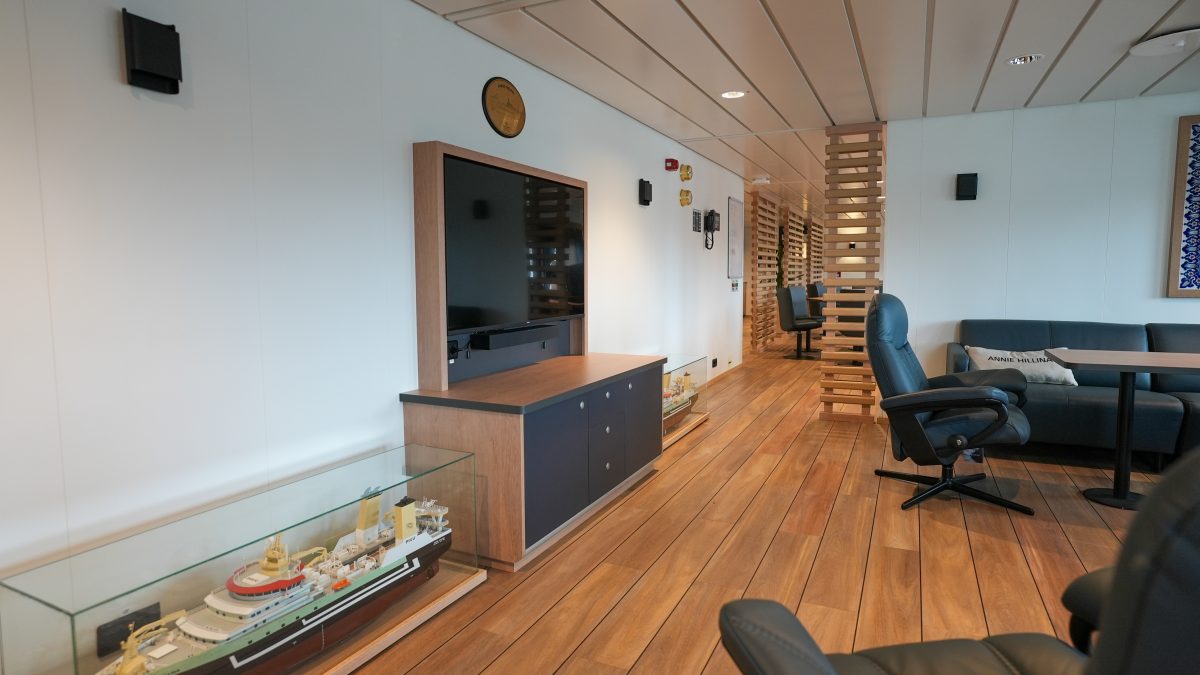
Furniture planning becomes truly successful when it can be installed accurately onboard. Built-in furniture requires precise coordination with floors, walls, ceilings and technical systems. Fixing details should be clear before manufacturing starts.
Onboard installation conditions are often more difficult than workshop conditions. Access routes may be narrow. Storage areas may be limited. Other teams may work in nearby zones. For this reason, installation sequencing is a major part of marine furniture planning.
Loose furniture also needs logistics planning. Items should arrive at the right time, be protected during transport and be positioned without damaging finished surfaces. Some loose furniture may require concealed fixing, floor anchoring or stability checks depending on the area.
Accomar’s workmanship and onboard installation experience supports alignment between produced furniture, project drawings and real vessel conditions. This reduces site conflicts and helps protect finish quality.
Furniture Planning in Different Vessel Areas
Furniture requirements change according to the function of each accommodation area.
Passenger Cabins
Passenger cabins require efficient built-in furniture. Beds, wardrobes, desks, luggage areas and wet unit access should work together. Loose furniture should be limited and purposeful.
Crew Cabins
Crew cabins need durable, practical and easy-to-maintain furniture. Storage, rest quality and daily usability are key concerns.
Lounges and Social Areas
Lounges can combine loose seating, built-in benches, integrated storage and decorative elements. Comfort and circulation should be planned together.
Dining and Service Areas
Dining areas need furniture that supports cleaning, safe movement and operational flow. Tables and seating layouts should not block service circulation.
Reception and Lobby Areas
Reception counters, waiting seats and built-in storage units should reflect the vessel’s interior identity while supporting daily staff use.
Common Mistakes in Marine Furniture Planning
One common mistake is selecting furniture too late in the project. Late decisions can create procurement pressure, layout conflicts and installation delays.
Another mistake is treating loose furniture as standard hospitality furniture. Marine interiors require more control because movement, fire expectations and maintenance routines affect every choice.
Built-in furniture mistakes often come from weak technical coordination. If furniture drawings do not match wall panels, service voids or flooring levels, rework may be needed onboard.
Ignoring maintenance access is another frequent issue. Furniture may hide service points or make cleaning difficult. In vessel operations, maintenance difficulty can increase long-term cost.
How Does Accomar Support Loose and Built-in Furniture Planning?
Accomar supports loose furniture and built-in furniture planning through a coordinated marine interior outfitting process. Project managers, architects, engineers, procurement teams and certified installers work together to connect design, production and onboard application.
For newbuild projects, furniture planning can be aligned with the full accommodation layout from the early stages. For refurbishment projects, existing structures, access limitations and project timing need to be evaluated carefully.
Accomar’s approach helps reduce the gap between design expectations and installation reality. The furniture is planned not only for appearance, but for safe use, accurate production, efficient logistics and long-term interior performance.
Project Value Through Controlled Furniture Planning
Loose furniture and built-in furniture planning for marine accommodation areas has a direct impact on how a vessel interior functions after delivery. A successful furniture strategy supports passenger comfort, crew efficiency, operational flow, safety and maintenance access.
Shipowners and shipyards benefit from controlled production, smoother installation and reduced risk of rework. Passengers and crew experience the value through comfortable, organized and durable interiors.
Accomar’s turnkey marine interior outfitting approach connects furniture planning with concept design, detailed engineering, procurement, production and onboard installation. With its main focus on marine interior project management, Accomar helps transform furniture requirements into functional, safe and high-quality vessel accommodation areas.
For newbuild and refurbishment projects, furniture planning should be evaluated as part of the complete marine interior strategy. Accomar supports shipowners, shipyards and project teams with concept design, detailed engineering, material coordination, production and onboard installation services. To discuss your vessel interior project, you can contact Accomar through the contact page.
FAQ
What is the difference between loose furniture and built-in furniture in marine interiors?
Loose furniture refers to movable or semi-movable elements such as chairs, tables and sofas. Built-in furniture refers to fixed elements such as cabin beds, wardrobes, desks, counters and integrated storage units.
Why does marine furniture need special planning?
Marine furniture must respond to vessel movement, vibration, humidity, safety expectations, weight control, installation limitations and maintenance needs. Standard land-based furniture planning is not enough for vessel accommodation areas.
Where is built-in furniture most commonly used on ships?
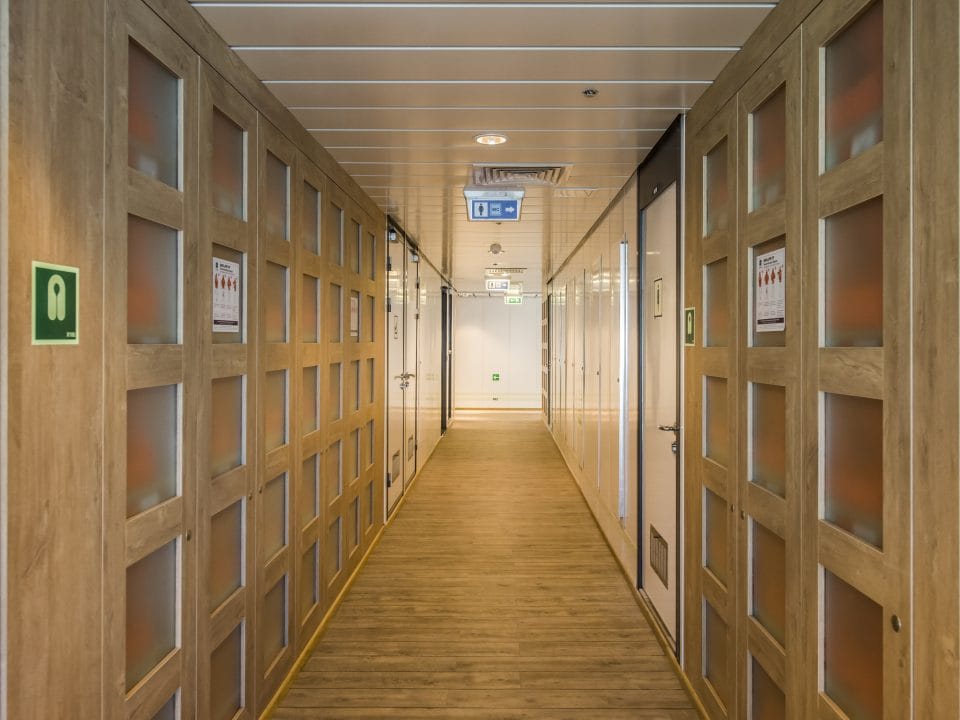
Built-in furniture is widely used in passenger cabins, crew cabins, reception areas, service zones, corridors, storage areas and compact accommodation spaces where efficient use of space is required.