Detailed Engineering in Marine Interiors: Shop Drawings, Material Coordination and Installation Control

How Is Technical Coordination Managed Between Shipyards, Owners and Marine Interior Teams?


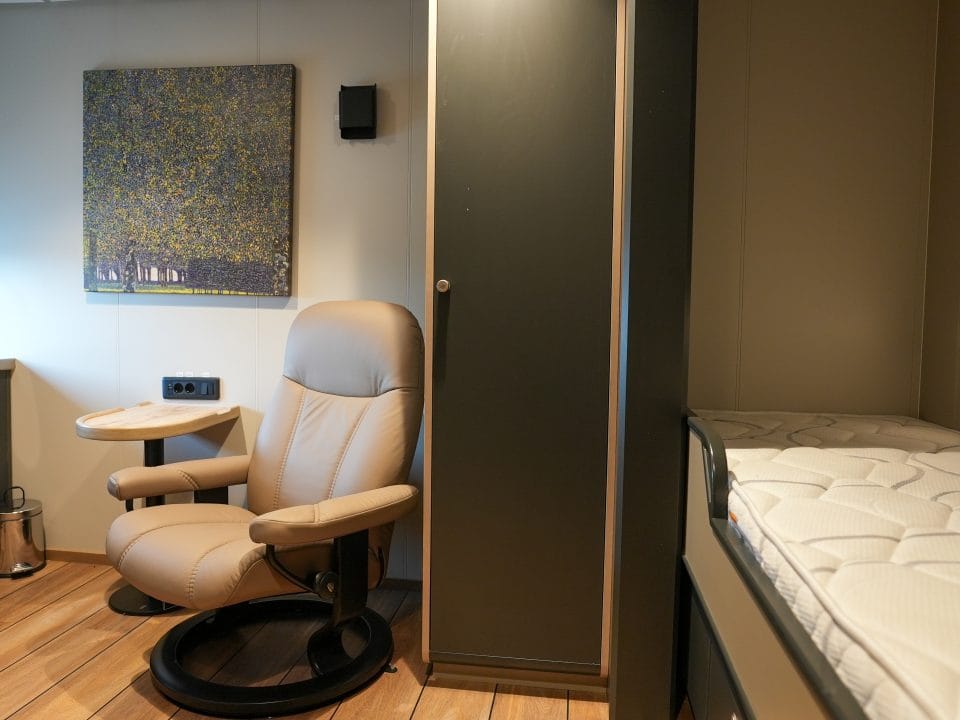
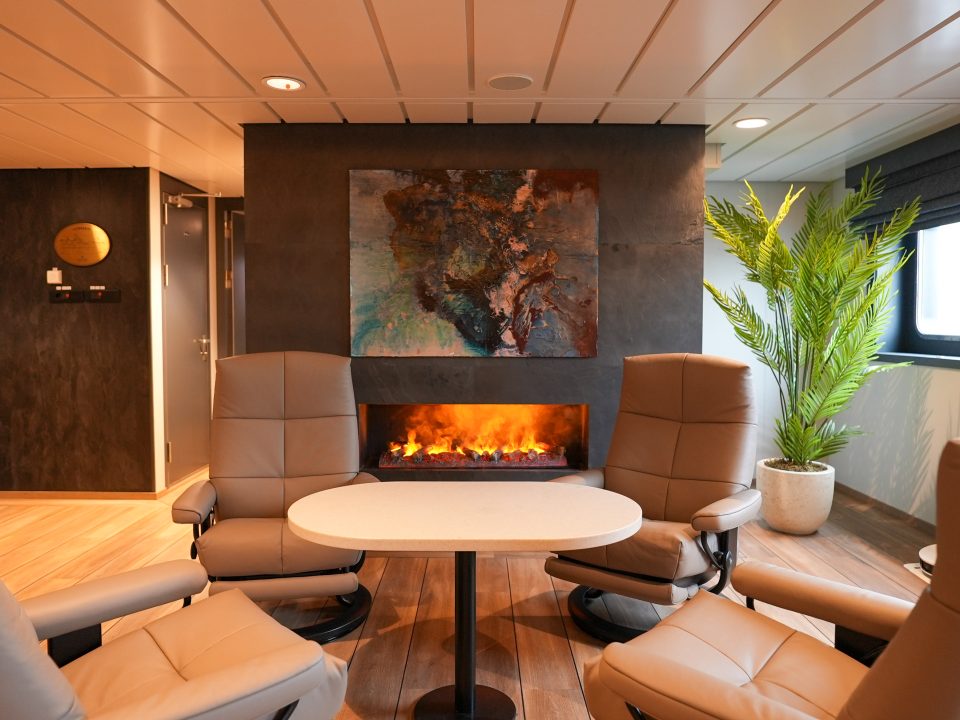
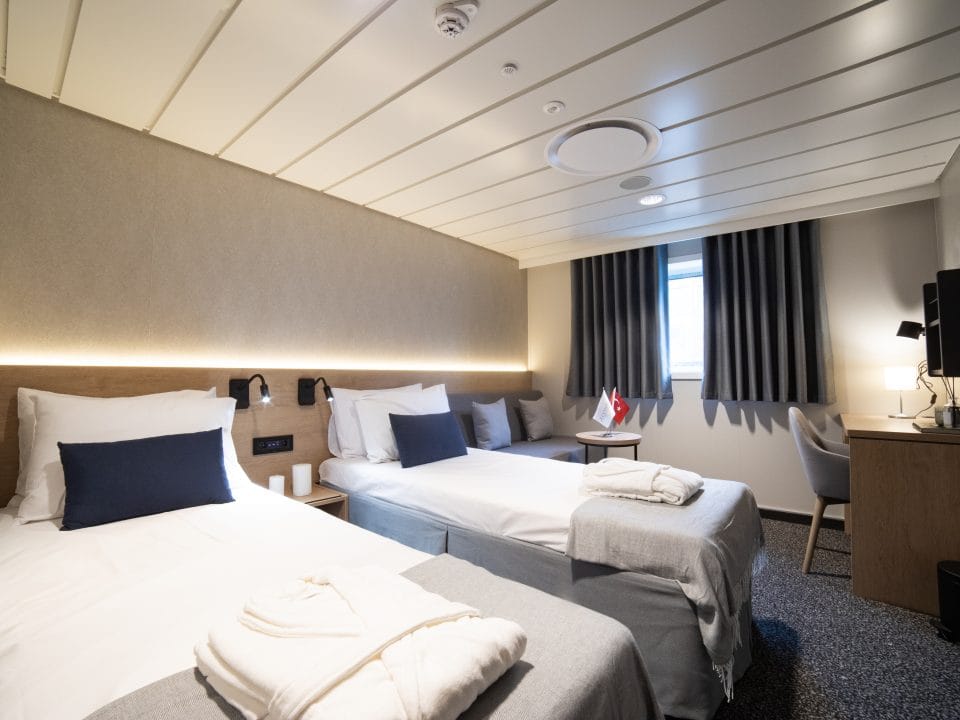
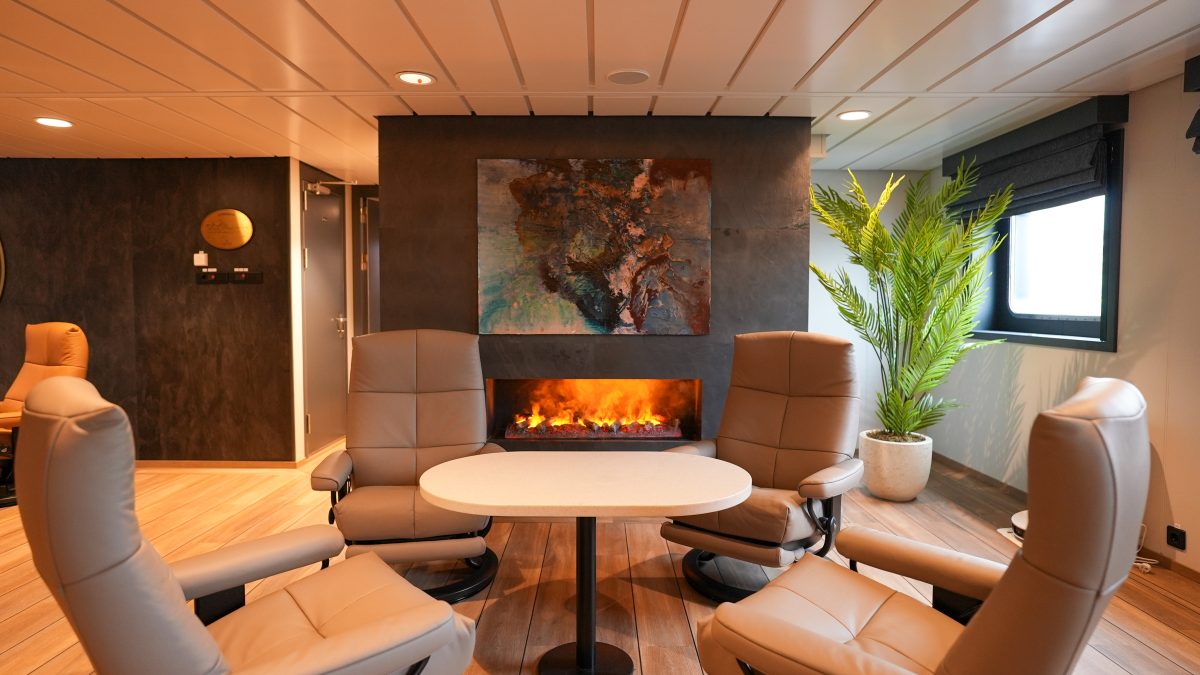
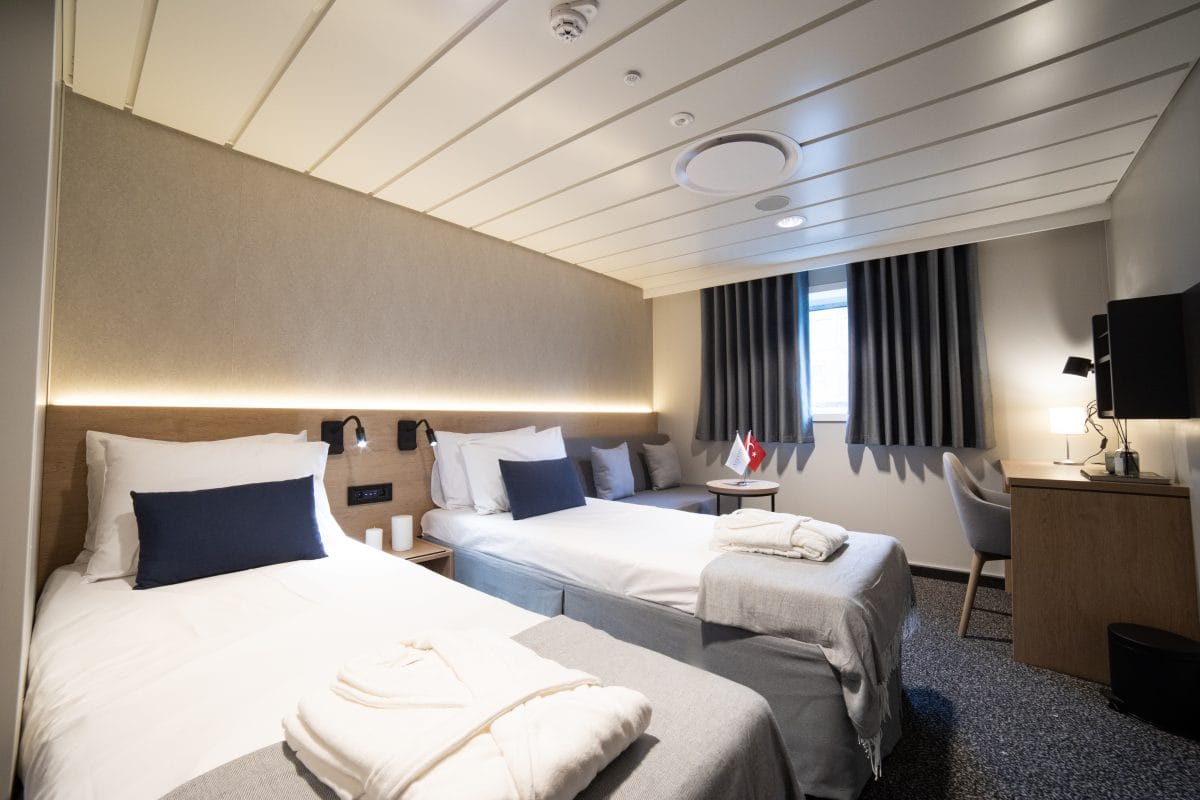
Fire, acoustic and certification criteria in marine interior projects directly affect how vessel interiors are designed, engineered, manufactured and installed. A marine interior may look complete from the outside, yet its real performance depends on the technical decisions behind wall systems, ceilings, flooring, doors, furniture, insulation, material selection and installation details.
In marine interior outfitting, safety and comfort are not separate subjects. Fire performance, acoustic control and certification requirements must be considered together from the earliest design stages. When these criteria are evaluated late, project teams may face material changes, drawing revisions, installation conflicts and delivery delays.
Accomar approaches fire, acoustic and certification criteria as part of a complete marine interior project management process. Concept design, detailed engineering, procurement, production and onboard installation should all follow the same technical framework.
Why Do Fire, Acoustic and Certification Criteria Matter in Marine Interiors?
Marine interiors are shaped by strict operating conditions. Vessels carry passengers, crew, equipment and technical systems within limited spaces. Interior materials and construction details must support safe operation while maintaining comfort and usability.
Fire-related criteria influence material selection, wall and ceiling systems, doors, furniture components, surface finishes and insulation layers. Acoustic criteria affect passenger comfort, crew rest quality and the overall interior experience. Certification criteria help verify that selected systems and materials meet the expected technical requirements for the project.
In a vessel interior, one decision often affects several systems. A wall panel selected for visual quality may also need to meet fire performance expectations. A ceiling detail may influence acoustic comfort, lighting layout and ventilation access. A furniture component may need to comply with both material and fixing requirements.
This is why fire, acoustic and certification planning should not be treated as a final checklist. It should guide the project from design development to onboard installation.
Fire Performance in Marine Interior Outfitting
Fire performance is one of the most sensitive criteria in marine interior projects. Interior spaces must be planned with materials and systems that support vessel safety. This may include fire-rated panels, compliant surface finishes, controlled insulation materials, certified doors and approved fixing details.
The challenge is not only selecting suitable materials. The challenge is making those materials work together as a complete interior system. Wall panels, ceilings, floors, built-in furniture and service openings should be coordinated so that safety performance is not weakened during installation.
Poor coordination can create risks. A late material substitution may affect compliance. An unplanned service opening may weaken a partition. An incorrect fixing method may cause problems during inspection. For this reason, fire performance should be reviewed during detailed engineering, not only during procurement.
Accomar’s detailed engineering and supplied materials service supports this process by aligning drawings, materials and technical requirements before production begins.
Acoustic Comfort and Interior Quality
Acoustic comfort is often less visible than fire safety, yet it strongly affects how people experience vessel interiors. Passenger cabins, crew cabins, lounges, corridors, dining areas and public spaces all require different acoustic considerations.
Noise can come from engines, ventilation systems, service areas, corridors, adjacent cabins or passenger activity. If acoustic planning is weak, even visually successful interiors may feel uncomfortable in daily use.
In marine interiors, acoustic control can involve wall build-ups, ceiling systems, flooring layers, door details, insulation strategies and furniture placement. Crew areas may need stronger rest quality. Passenger areas may need a quieter and more comfortable atmosphere. Public spaces may require controlled reverberation and better speech comfort.
Acoustic planning should be coordinated with architectural design and material selection. A finish material, panel joint or ceiling system can change the acoustic behavior of a space. For this reason, acoustic criteria should be part of the interior design discussion from the beginning.
Certification and Documentation Control
Certification requirements help create technical accountability in marine interior projects. Materials, systems and installation methods may need to be documented, approved and traceable depending on the vessel type, project scope and applicable standards.
Certification control is closely connected to procurement and documentation. A material may be visually suitable, but if its documentation does not match the project requirement, it can create approval problems. This can affect production timing and onboard installation planning.
A controlled certification process includes approved material lists, technical data sheets, product certificates, installation details and revision tracking. Project teams should know which materials are approved, where they will be used and how they will be installed.
Accomar’s procurement and supply chain management approach helps align material sourcing with project requirements, delivery timing and documentation control.
Coordination Between Design, Engineering and Installation
Fire, acoustic and certification criteria cannot be managed by one discipline alone. Architects, engineers, procurement teams, production teams, installers, shipyards and owners need to work with shared technical information.
Design teams must understand which materials and systems are suitable. Engineering teams must convert these decisions into clear drawings and technical details. Procurement teams must secure approved materials. Installation teams must apply the details accurately onboard.
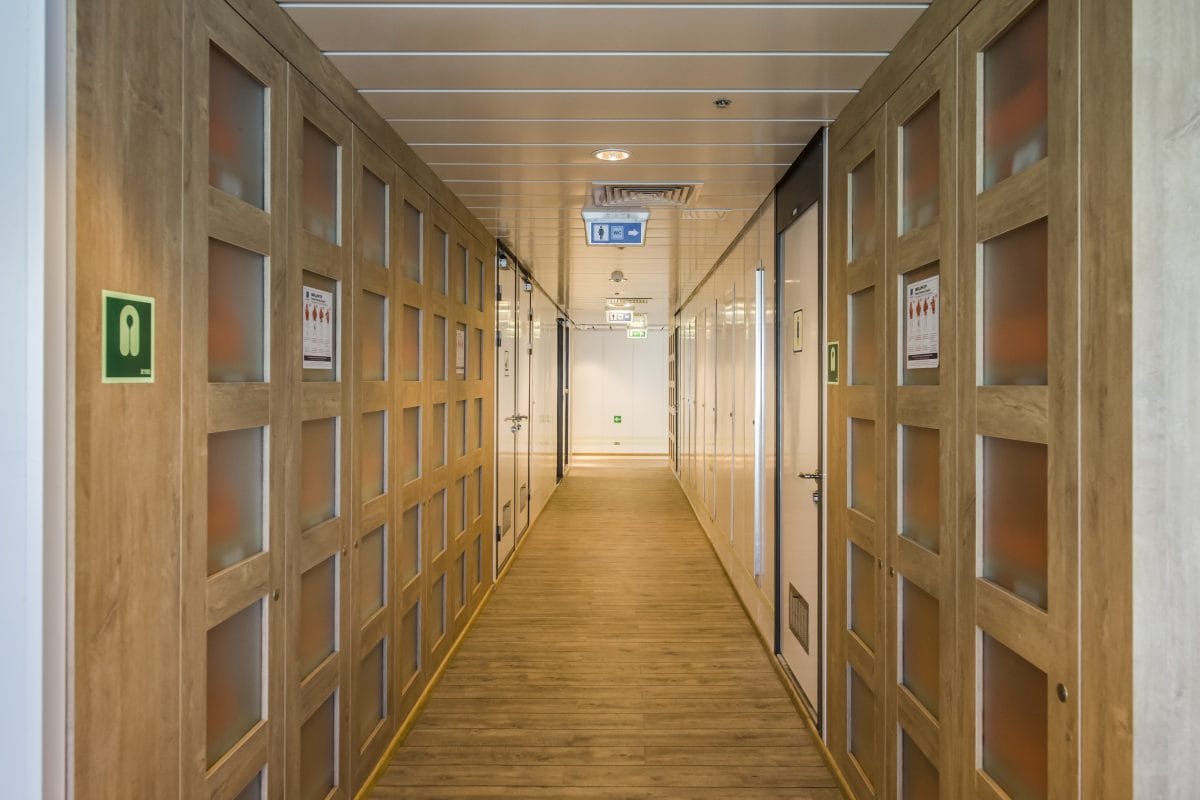
This coordination becomes even more critical in compact spaces such as cabins, corridors and wet areas. A wall detail may carry fire, acoustic and service access requirements at the same time. A ceiling zone may include lighting, ventilation, inspection access and acoustic layers together.
Accomar’s project coordination and master planning structure supports communication between disciplines and helps reduce late-stage conflicts.
Onboard Installation and Quality Control
Onboard installation is where planned criteria become measurable project quality. Even when the correct materials are selected, poor installation can reduce performance. Panel joints, door frames, ceiling connections, flooring transitions, insulation placement and fixing methods should follow approved details.
Quality control during onboard installation should check alignment, surface condition, access points, joint integrity and compliance with project drawings. Certified installers need clear documentation and coordinated site planning to apply details correctly.
Accomar’s workmanship and onboard installation experience helps connect technical planning with real vessel conditions. This is especially valuable when several teams are working in narrow areas under tight schedules.
Common Risks in Fire, Acoustic and Certification Planning
Several risks can affect project quality when these criteria are not managed early enough. Late material changes may create documentation problems. Weak acoustic planning may reduce cabin comfort. Missing certificates may delay approvals. Poor installation details may affect both safety and finish quality.
Another frequent issue is treating fire, acoustic and certification topics separately. In real marine interiors, these criteria overlap. A single wall, ceiling or door detail may need to satisfy several requirements at once.
For shipowners and shipyards, early coordination reduces uncertainty. It supports better cost control, smoother approval processes and more predictable delivery.
Turning Technical Criteria into Interior Performance
Fire, acoustic and certification criteria in marine interior projects are not only compliance topics. They shape the safety, comfort, durability and delivery quality of the vessel interior. When these criteria are integrated into concept design, detailed engineering, procurement and onboard installation, the final result becomes more controlled and reliable.
Accomar’s turnkey marine interior outfitting approach brings these technical requirements into a coordinated project structure. With its focus on marine interior project management, Accomar helps shipowners, shipyards and project teams turn regulatory and performance expectations into safe, comfortable and well-executed vessel interiors.
For newbuild and refurbishment projects, fire, acoustic and certification planning should be evaluated as part of the full marine interior strategy. Accomar supports project teams with concept design, detailed engineering, material coordination, production and onboard installation services. To discuss your vessel interior project, you can contact Accomar through the contact page.