How Are Fire, Acoustic and Certification Criteria Managed in Marine Interior Projects?

How Is the Mock-up Process Managed in Marine Interiors?


Technical coordination between shipyards, owners and marine interior teams is one of the key factors behind a controlled vessel accommodation project. Marine interiors involve design, engineering, procurement, production, logistics and onboard installation at the same time. When communication between parties is weak, even a well-designed interior can face delays, conflicts and quality risks.
In marine interior outfitting, technical coordination is not limited to meeting schedules. It means aligning drawings, materials, responsibilities, access conditions, installation sequences, approval steps and site decisions. Shipyards, owners and interior teams look at the same project from different perspectives. A successful process turns these perspectives into a shared technical plan.
Accomar manages technical coordination as part of its turnkey marine interior outfitting approach. Project managers, architects, engineers, procurement teams and certified installers work together to connect design expectations with real shipyard and onboard conditions.
Why Is Technical Coordination Critical in Marine Interior Projects?
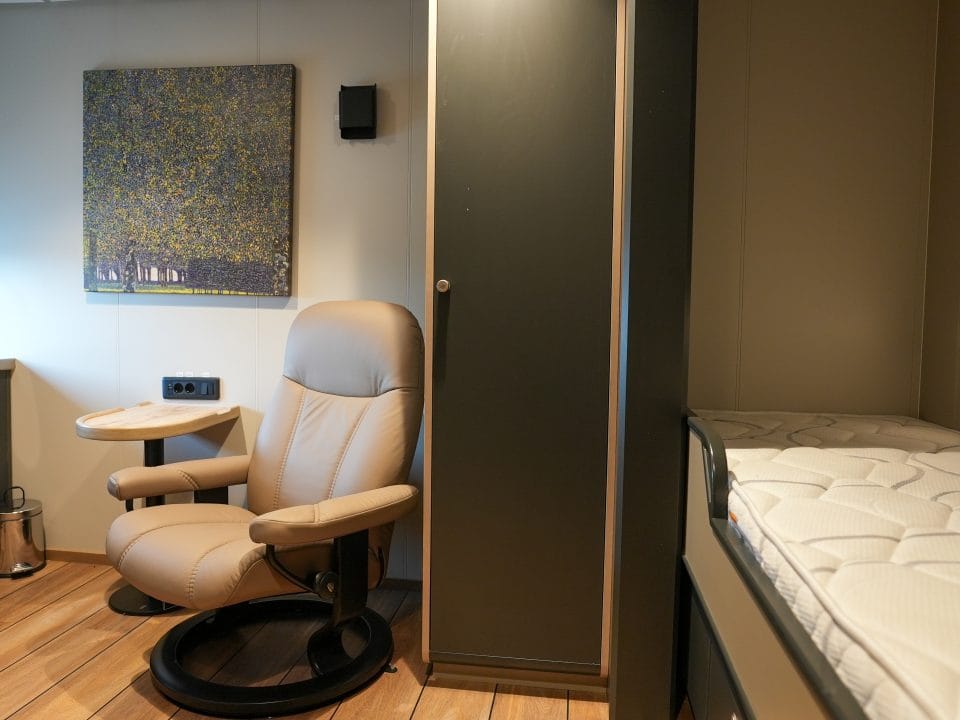
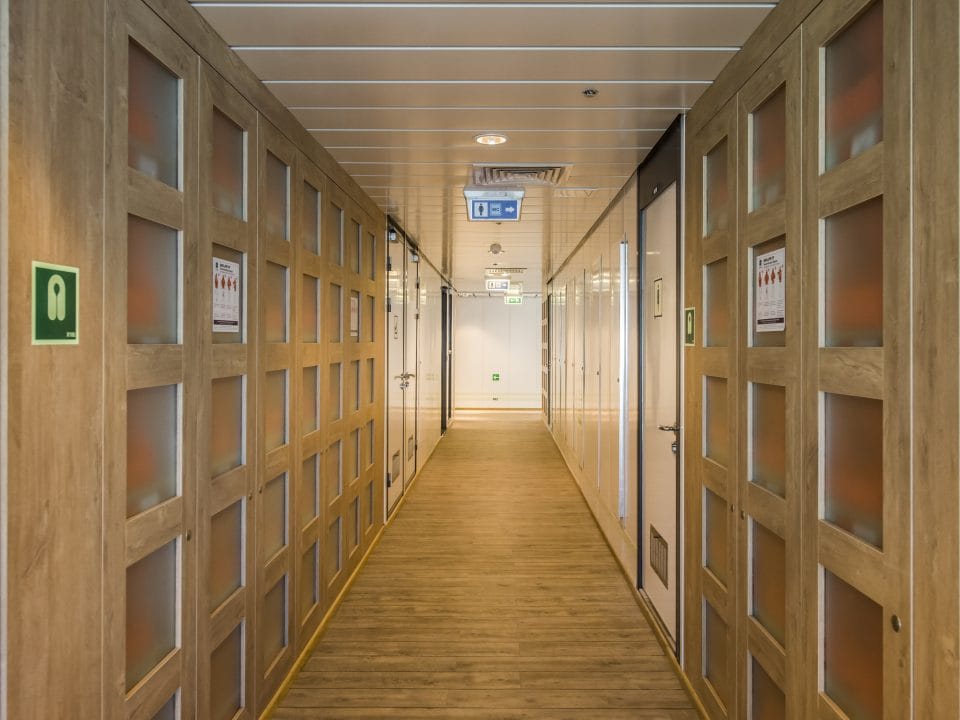
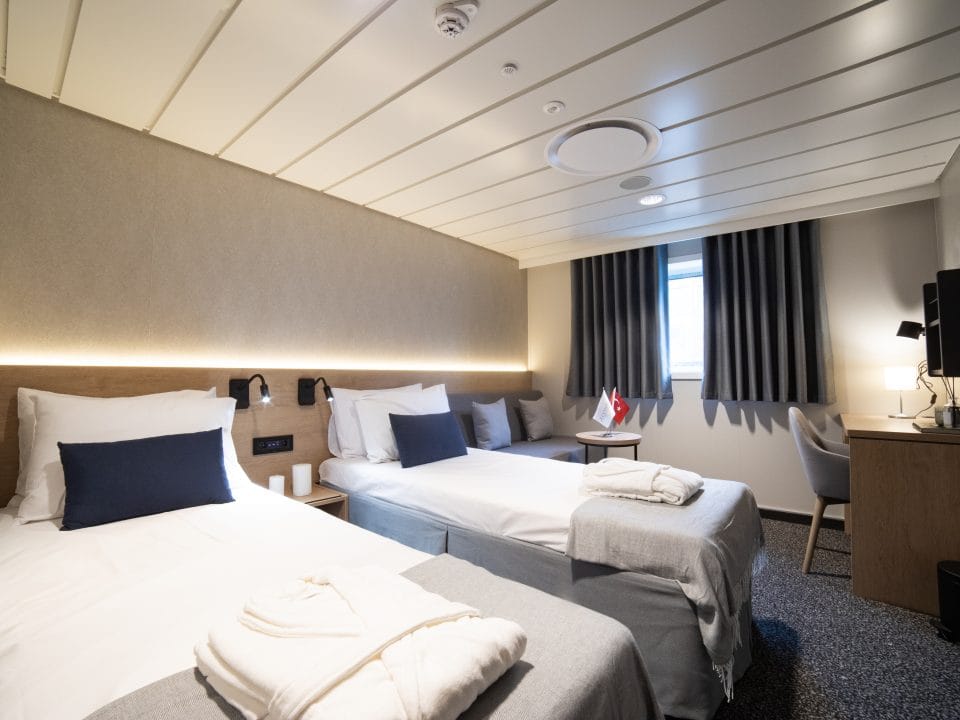
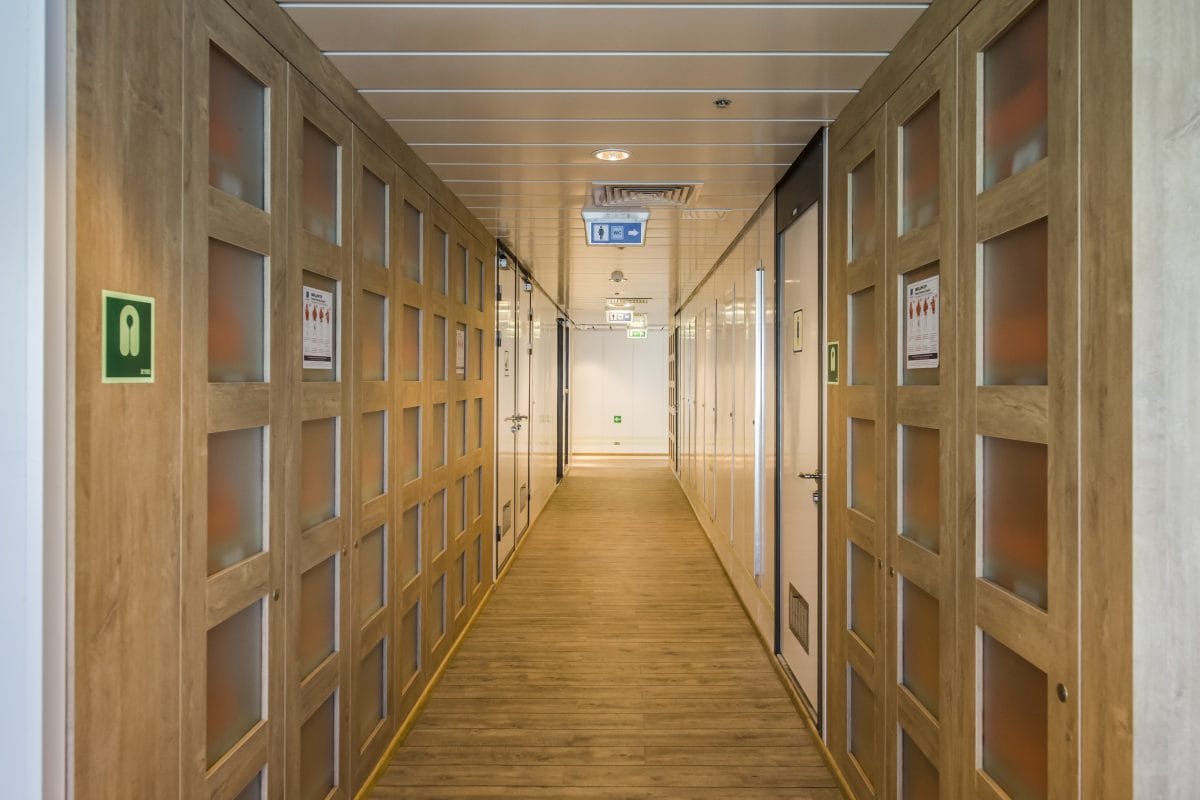
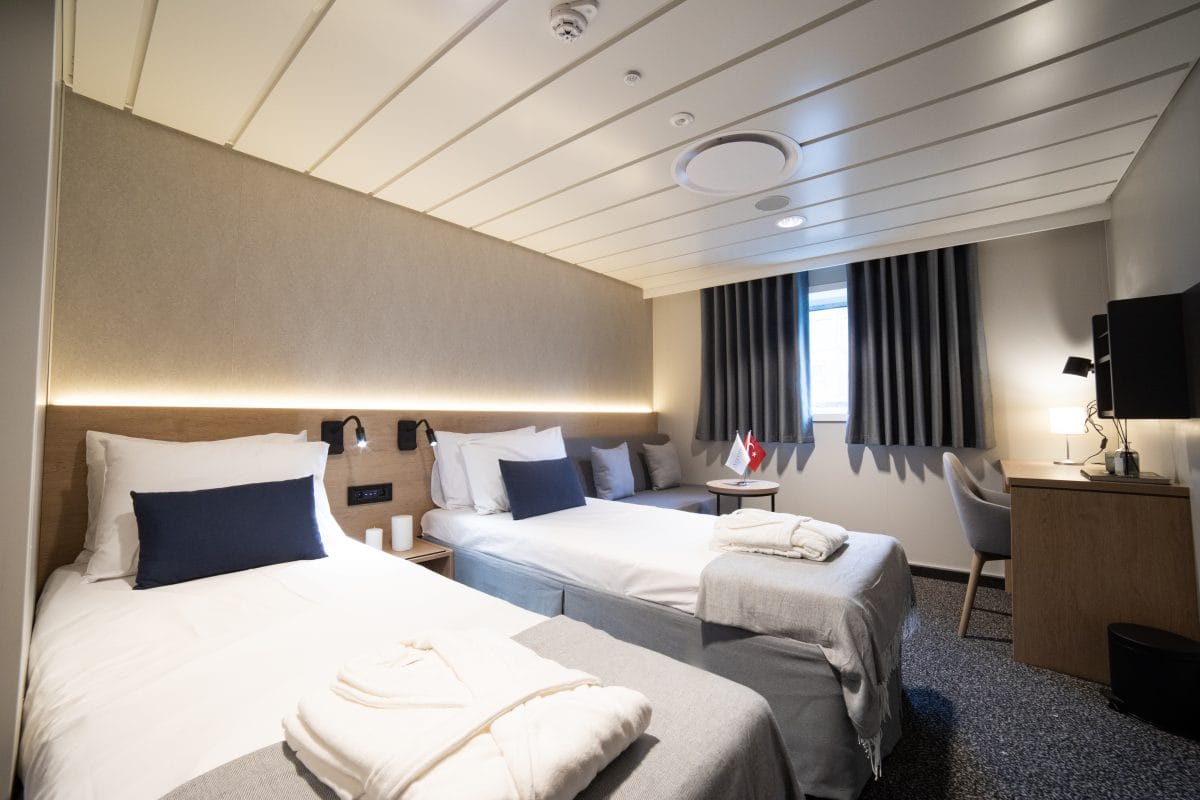
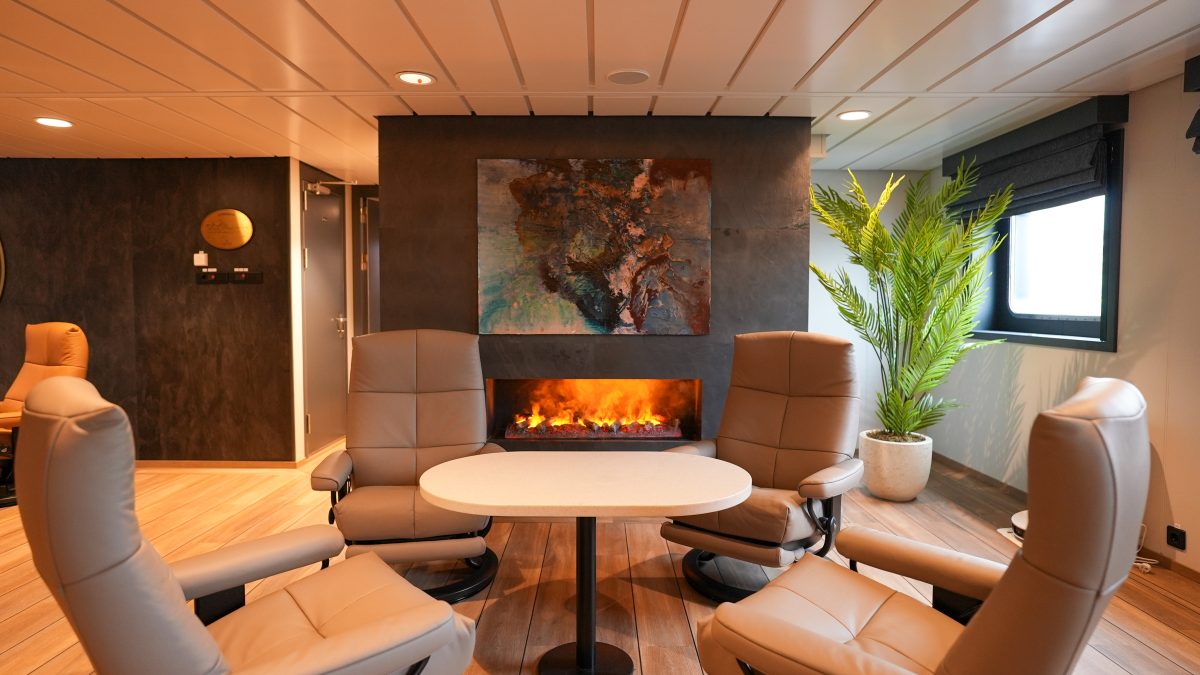
Marine interior projects are shaped by compact spaces, strict technical requirements, limited access routes and overlapping work packages. Cabins, corridors, wet areas, lounges, crew spaces and service zones often include many systems within a narrow area.
A wall panel may affect lighting access. A ceiling detail may influence ventilation. A built-in furniture unit may need to align with flooring, doors and service openings. For this reason, technical coordination should begin before production and continue until delivery.
Without technical coordination in marine interior projects, teams may face drawing conflicts, material delays, repeated site decisions and installation rework. These issues can affect cost control, delivery timing and final interior quality.
Accomar’s project coordination and master planning structure helps create a clearer workflow between planning, engineering, supply and onboard work.
The Role of the Shipyard
The shipyard controls many conditions that directly affect interior work. Access routes, work permits, surrounding disciplines, structural readiness, onboard storage, safety procedures and schedule priorities are often managed through the shipyard.
For marine interior teams, shipyard coordination is needed before materials and installers arrive onboard. If areas are not ready, finished interior elements may be exposed to damage or delays. If installation routes are not planned, logistics may become difficult.
A clear shipyard interface helps interior teams understand when spaces will be available, which technical constraints apply and how work should progress onboard. This creates a stronger base for installation accuracy.
The Role of the Owner
The owner defines the vessel’s operational expectations, comfort level, brand identity and long-term maintenance priorities. In cruise ships, ferries, offshore projects and naval vessels, owner decisions can influence interior quality, durability and user experience.
Owner coordination is especially valuable during design approvals, material decisions and mock-up evaluations. Delayed decisions may affect procurement, production and site timing. Clear owner feedback helps interior teams move forward with fewer revisions.
For owners, technical coordination provides visibility. Approved drawings, material lists, production status and installation progress can be tracked more accurately when communication is structured.
The Role of the Marine Interior Team
The marine interior team connects design, engineering, supply and installation. This team translates the project vision into technical drawings, production details, material specifications and onboard workmanship.
A strong marine interior team does not only deliver finished surfaces. It manages technical responsibility across the full outfitting process. This includes checking drawings, reviewing site conditions, coordinating suppliers, protecting finish quality and solving conflicts before they grow.
Accomar’s interior architecture and concept design process helps align design intent with space function, while its detailed engineering and supplied materials service turns that intent into applicable technical information.
Drawing, Material and Approval Coordination
Technical coordination often depends on document control. Drawings, revisions, material approvals, certificates, production details and installation notes should follow a controlled structure.
A single outdated drawing can create errors in production. A late material change can affect dimensions, weight, compliance and delivery timing. Missing approval records can slow installation decisions.
Marine interior teams need accurate information at every stage. Shipyards need to know how interior work will interact with other systems. Owners need to understand which decisions are pending. A shared approval flow reduces uncertainty and supports more predictable delivery.
Onboard Installation and Site Communication
Onboard installation is where coordination becomes visible. Installers work under real vessel conditions, often alongside electrical, HVAC, plumbing, safety and shipyard teams. A delay or conflict in one discipline can affect the interior sequence.
Site communication should cover area readiness, access, material arrival, protection of finished surfaces, daily work priorities and quality checks. Clear coordination reduces rework and protects final interior quality.
Accomar’s workmanship and onboard installation experience supports this stage by connecting certified installation teams with project managers and technical staff. This helps align drawings, materials and real onboard conditions.
Common Coordination Risks
Several risks may appear when coordination is not managed properly. Late approvals can slow procurement. Weak drawing control can create production errors. Poor shipyard interface can delay access. Missing site protection can damage finished interiors. Unclear responsibilities can cause repeated decision cycles.
These risks rarely appear as isolated problems. A small drawing delay may affect procurement, production and installation together. A material substitution may require drawing updates, owner approval and site planning changes.
A coordinated project structure helps identify these risks earlier and assign responsibility more clearly.
Technical coordination between shipyards, owners and marine interior teams turns complex marine interior projects into manageable workflows. When information, responsibilities, materials, drawings and site conditions are aligned, the project can move with fewer conflicts and stronger quality control.
Accomar’s turnkey marine interior outfitting approach connects project coordination with concept design, detailed engineering, procurement, production, logistics and onboard installation. With its focus on marine interior project management, Accomar helps shipowners, shipyards and project teams turn technical complexity into controlled vessel accommodation delivery.
For newbuild and refurbishment projects, technical coordination should be handled from the earliest planning stage. Accomar supports project teams with design, engineering, material coordination, production and onboard installation services. To discuss your vessel interior project, you can contact Accomar through the contact page.