How Electric and Hybrid Ferries Change Interior Planning


Offshore service operation vessel interiors are planned for people who live and work at sea for extended periods. Unlike short-route passenger vessels, SOVs are designed to support offshore operations, technical teams and crew members working near wind farms, energy assets or remote marine sites. For that reason, the interior is not only about appearance. It must support rest, work, safety, movement and daily routines.
A well-planned SOV interior brings together cabins, offices, mess rooms, lounges, changing areas, wet units, corridors, storage rooms and service spaces. Each area needs to perform under demanding offshore conditions. Materials must be durable, layouts must be practical and installation must be coordinated with shipyard schedules and technical systems.
Accomar works on newbuild and refurbishment projects with turnkey accommodation solutions, concept design, procurement, supply chain management, workmanship and onboard installation. For SOV projects, marine interior outfitting requires close coordination between design, engineering, materials and site execution.
Planning Around Offshore Operations
The first step in SOV interior planning is understanding how the vessel will be used. Offshore service operation vessels often host crew members, technicians and service teams who work in shifts. The interior must support both work and recovery.
Before finalizing the layout, project teams need to answer practical questions:
- How many crew members and technicians will stay onboard?
- Which areas will be used for rest, work and social time?
- Where will storage, changing rooms and service areas be located?
- Which routes must stay clear for safe movement?
- Which surfaces will face the most wear?
- Which areas need acoustic comfort and privacy?
These questions help define the relationship between accommodation areas, technical spaces and daily workflow. A successful SOV interior supports the operational rhythm of the vessel without creating unnecessary complexity.
Crew Accommodation and Daily Comfort
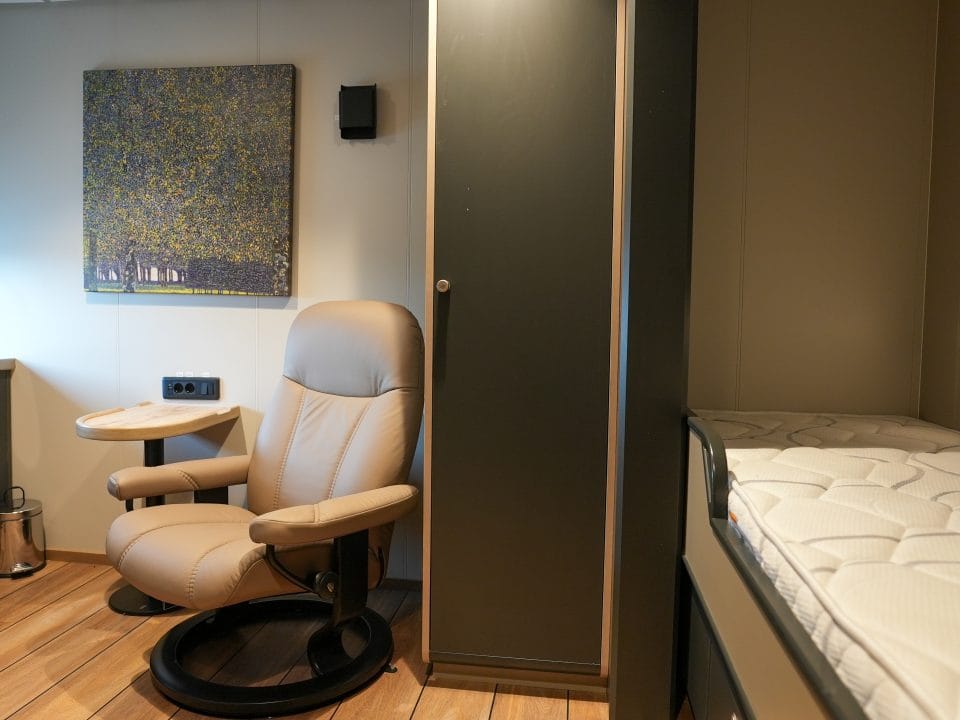
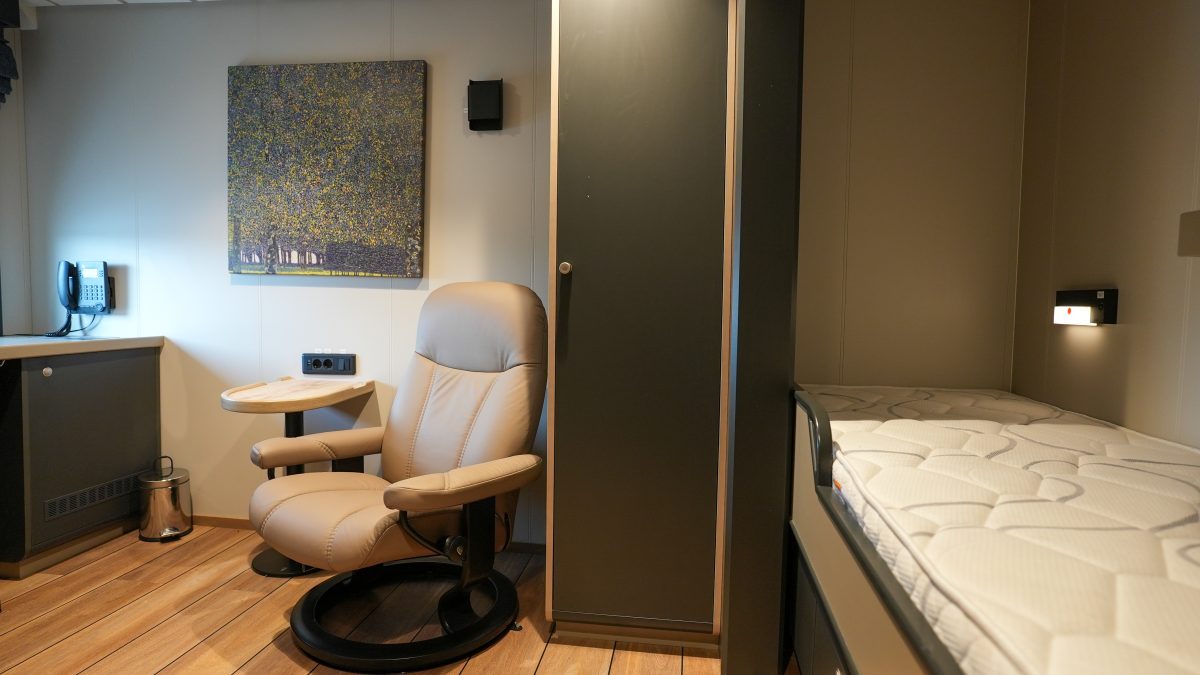
Crew accommodation is one of the most important parts of offshore vessel interiors. Cabins must provide privacy, storage, comfort and easy maintenance. Small layout decisions can make a major difference during long periods at sea.
Cabins should be planned with efficient beds, built-in storage, practical lighting, ventilation and durable surfaces. Crew members need space for personal belongings, workwear, devices and daily-use items. In compact rooms, integrated furniture helps use space more efficiently while keeping the cabin easy to clean.
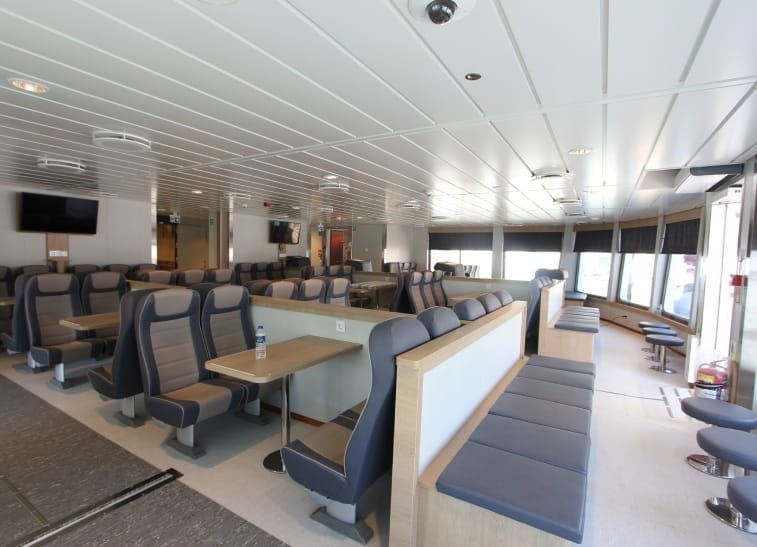
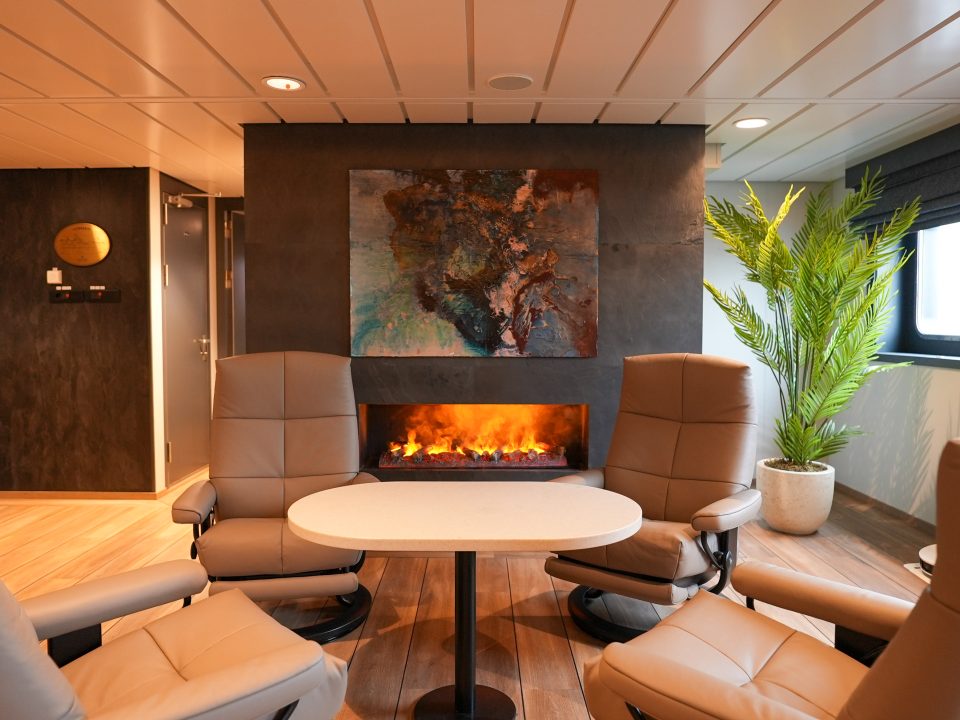
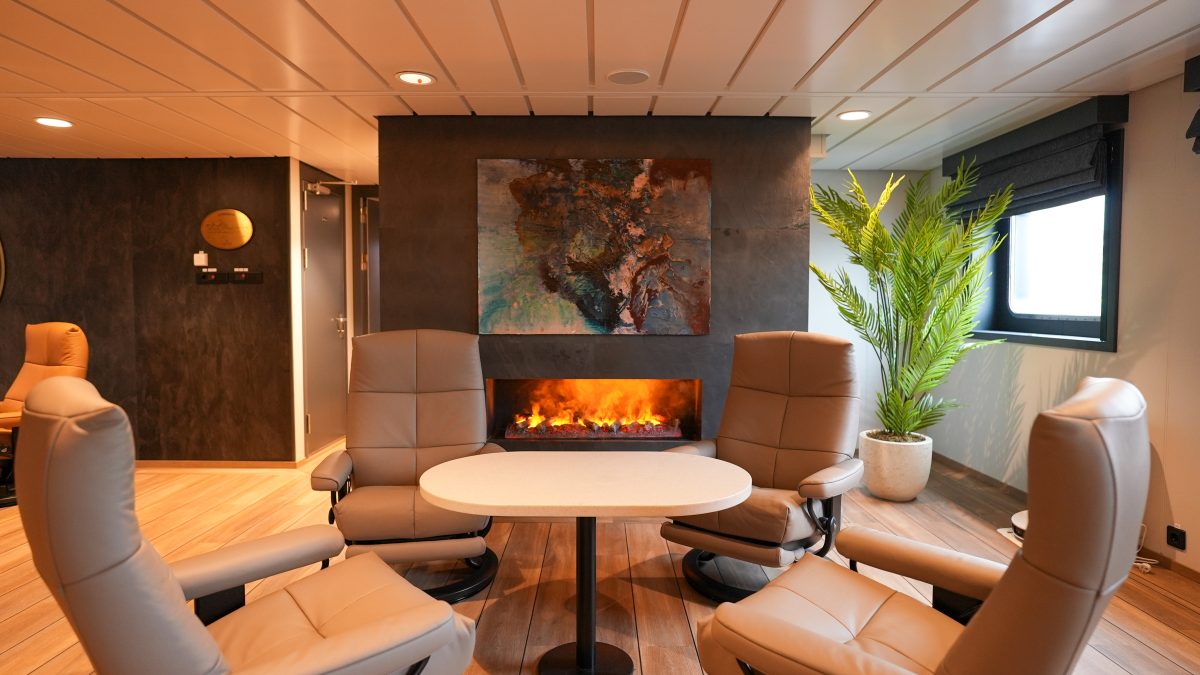
Shared areas are just as important. Mess rooms, lounges and recreation spaces help crew members rest and recover outside working hours. Seating, flooring, wall panels and ceilings should be selected for frequent use, comfort and long-term durability.
Accomar’s Acta Pegasus SOV project is a relevant reference for accommodation spaces, offices, social areas and service zones in an offshore vessel project.
Offices and Work-Related Spaces
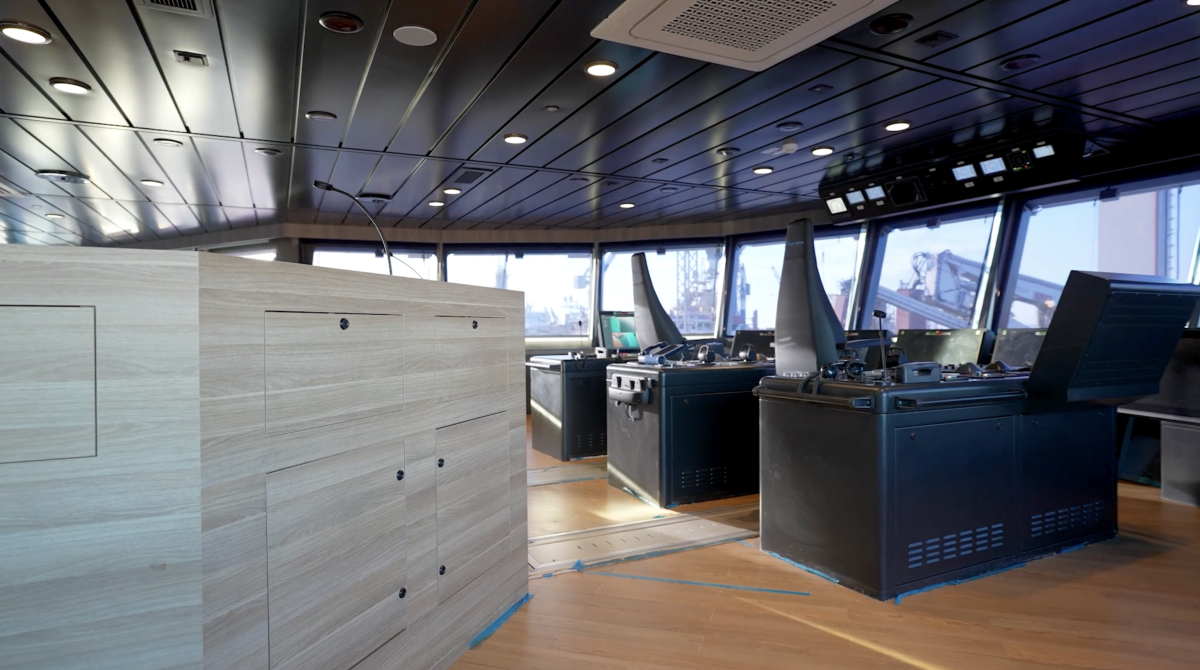
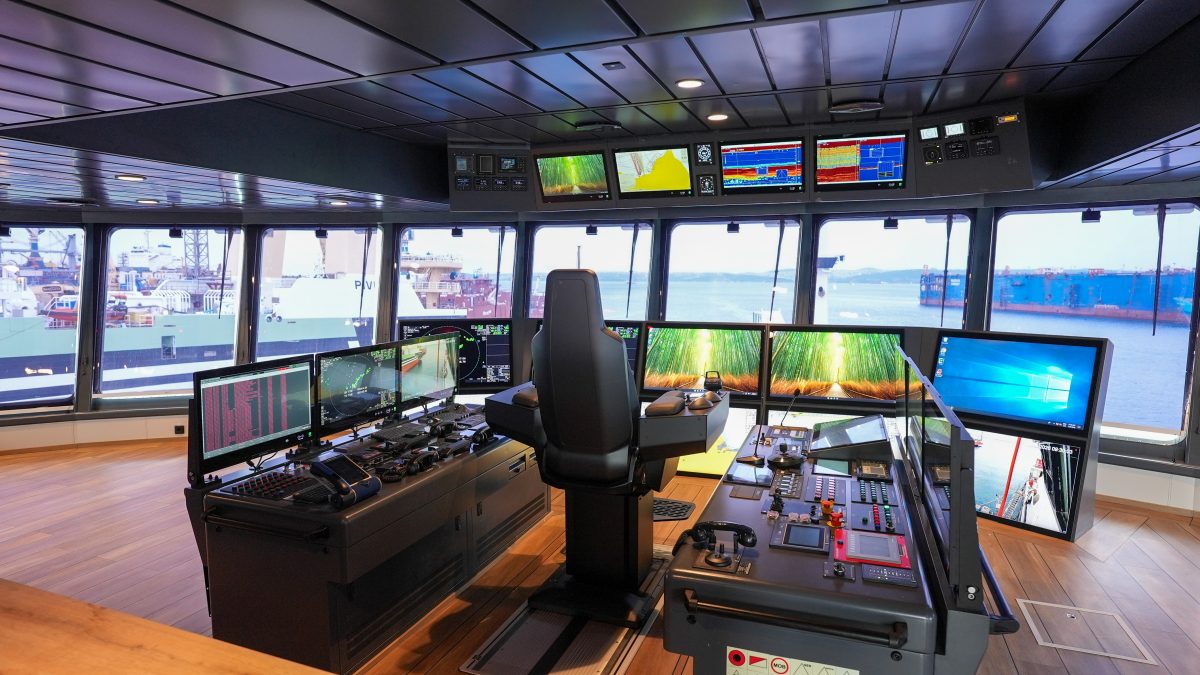
SOVs are working vessels, so their interiors often include more than accommodation. Offices, meeting rooms, planning areas and control-related spaces may be required depending on the vessel’s role.
These areas should support focus, communication and technical access. Furniture must be practical and durable. Cable routes, HVAC systems, lighting, wall panels and flooring should be coordinated from the early design stage. Poor coordination can lead to access problems, late revisions or installation delays.
Service areas also need attention. Changing rooms, laundry spaces, storage areas, pantries and technical-adjacent rooms support the daily operation of the vessel. When these spaces are planned correctly, crew movement becomes easier and maintenance becomes more controlled.
Accomar’s marine interior technical coordination approach helps align interior works with engineering requirements, shipyard conditions and onboard installation needs.
Material Selection for Offshore Conditions
Material selection has a direct impact on the performance of offshore service operation vessel interiors. SOV interiors face heavy daily use, moisture, frequent cleaning, equipment movement and contact with workwear. Standard interior materials may not perform well under these conditions.
For SOV accommodation and service areas, material planning may include:
- Durable wall and ceiling systems
- Flooring suitable for high-traffic zones
- Moisture-resistant surfaces
- Impact-resistant corners and edges
- Easy-to-clean finishes
- Fire-rated interior materials
- Strong fixing details
- Practical furniture solutions
Durability should not make the interior feel heavy or uncomfortable. The goal is to create spaces that are strong, cleanable and suitable for daily use while still supporting crew comfort.
Accomar’s services cover interior architecture, procurement, workmanship and ship assembly, helping project teams manage material decisions from planning to installation.
Acoustic Comfort and Rest Quality
Noise control is a key part of SOV accommodation planning. Offshore vessels include machinery, HVAC systems, service areas, corridors and external noise sources. Crew members who work in shifts need spaces where they can rest properly.
Acoustic comfort should be considered in cabins, lounges, offices and corridors. Wall systems, insulation, ceilings, flooring and door details all affect how sound moves through the vessel. A technically correct space can still feel uncomfortable if noise, vibration and privacy are not handled well.
For marine accommodation solutions, comfort should be planned together with safety and durability. A good SOV interior supports both operational performance and crew wellbeing.
Safety, Access and Technical Coordination
SOV interiors must follow marine safety requirements and project specifications. Escape routes, fire-rated systems, access panels, service routes and installation details must be coordinated before onboard work begins.
Interior elements should not block technical access or create conflicts with ship systems. Wall panels, ceilings, flooring, furniture and doors need to work with the vessel’s safety and maintenance strategy. This is why coordination between shipyards, owners, engineering teams and interior contractors is critical.
Strong technical coordination helps avoid:
- Late design changes
- Access conflicts
- Material delays
- Installation errors
- Rework during onboard assembly
- Maintenance difficulties after delivery
In SOV projects, marine interior outfitting is most successful when design and site execution are planned together.
Onboard Installation and Shipyard Workflow
Onboard installation is one of the most sensitive stages of an SOV interior project. Several teams may work in the same vessel at the same time. Limited access, tight schedules and technical dependencies can create challenges.
A clear installation plan should define material delivery, work zones, protection methods, installation order and inspection points. Cabins, corridors, offices and service rooms may need phased installation to reduce damage and rework.
Accomar’s project approach connects procurement, supply chain management, workmanship and onboard installation. In projects such as Acta Hercules, interior and accommodation works can be managed as part of a coordinated marine project scope.
FAQ
Why do SOV interiors need special planning?
SOV interiors support people who live and work onboard during offshore operations. Cabins, offices, social areas and service spaces must support rest, workflow, safety and durability at the same time.
Which areas are included in offshore service operation vessel interiors?
SOV interiors may include crew cabins, offices, lounges, mess rooms, changing rooms, wet units, corridors, storage areas and service spaces.
Why is durability important in SOV accommodation areas?
SOV interiors face intensive use, frequent cleaning, equipment movement and offshore working conditions. Durable materials and controlled installation help protect long-term performance.
Reliable Interiors for Offshore Work at Sea
Offshore service operation vessel interiors should be planned as complete living and working environments. Crew comfort, service efficiency, material durability, acoustic performance, safety and onboard installation need to support each other from the early project stages.
Accomar brings marine interior outfitting, accommodation solutions, procurement, technical coordination and onboard installation experience together for offshore vessel projects. For SOV interiors that need durable, comfortable and operation-ready accommodation areas, project teams can contact Accomar through the contact page to discuss project-specific requirements.