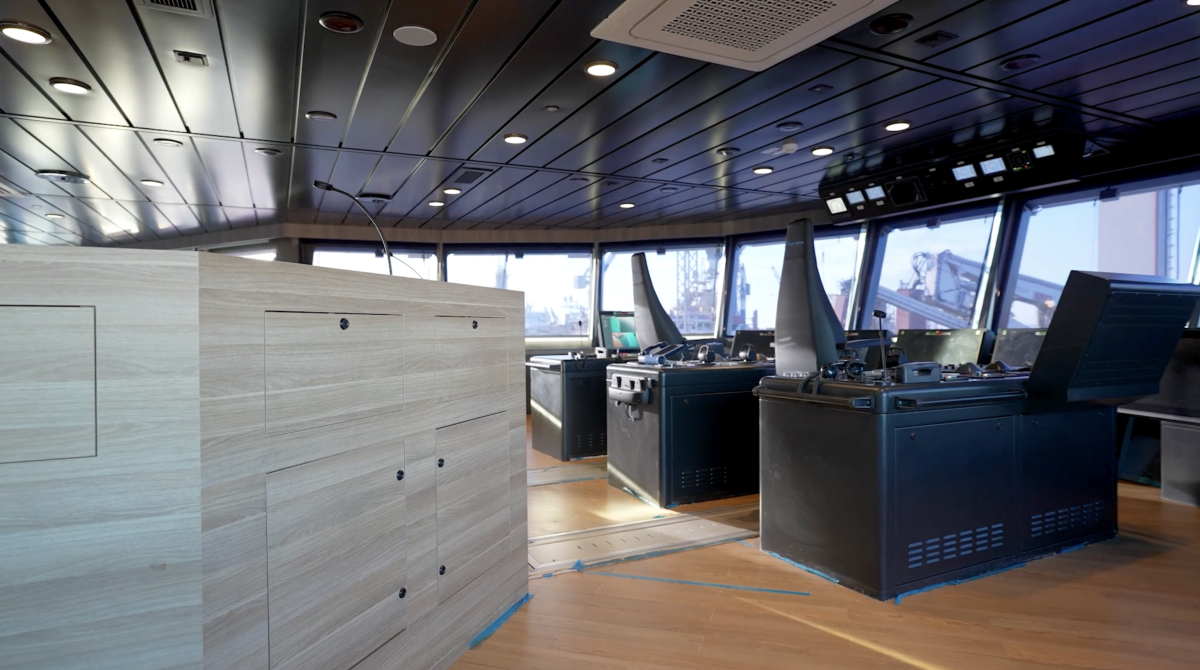
Engineering Marine Interiors: Weight Optimization & Operational Efficiency
Seamless Project Coordination from Concept Design to Assembly


Cruise ships, which can be described as giant hotels floating on the oceans, must provide their guests with an unforgettable holiday experience. In the maritime industry, where guest expectations are at their highest peak, interior designs must melt aesthetic perfection and superior performance into a single melting pot. Accomar Marine Interior builds long-lasting, safe, and prestigious living spaces by blending luxury details with the harsh physical conditions of the maritime environment.
The Balance of Premium Aesthetics and Marine Grade Materials
The concept of luxury on cruise ships means much more than the visual richness that catches the eye at first glance. Every single material used must show maximum resistance against corrosive effects such as saltwater vapor, high humidity, continuous vibration, and heavy foot traffic.
Marine-grade stainless steels, special marine plywoods, and high-pressure laminates (HPL) form the cornerstones of long-term durability. Since the use of traditional heavy wood or solid marble can increase the ship’s weight and disrupt its balance, Accomar engineers integrate innovative alternatives such as real stone-coated lightweight honeycomb panels into their projects. The mentioned high-tech materials create the exact feeling of real marble or solid wood in every area, from passenger cabins to public restaurants, while positively contributing to the ship’s overall performance.
The Intersection of Safety Standards and Luxury
Interior architecture projects in the maritime sector are subject to much stricter safety regulations than land-based hotel projects. IMO (International Maritime Organization) and SOLAS (Safety of Life at Sea) rules mandate the use of fire-resistant materials.
Creating a luxury design language without compromising on safety requires a professional engineering approach. Accomar maximizes passenger safety by using flame-retardant fabrics, specially insulated wall panels, and fireproof ceiling systems. Concealed fire detection systems, special-coated security doors, and ergonomic evacuation corridors that do not disrupt aesthetic integrity are invisibly embedded into an elegant design.
Ergonomics and Lighting Shaping the Guest Experience
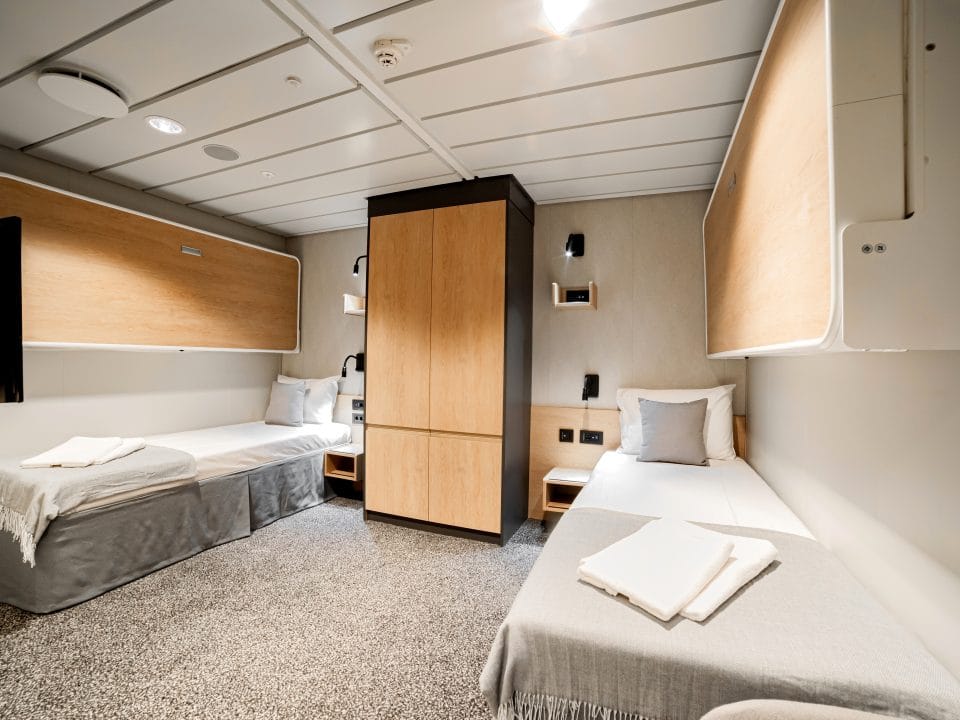
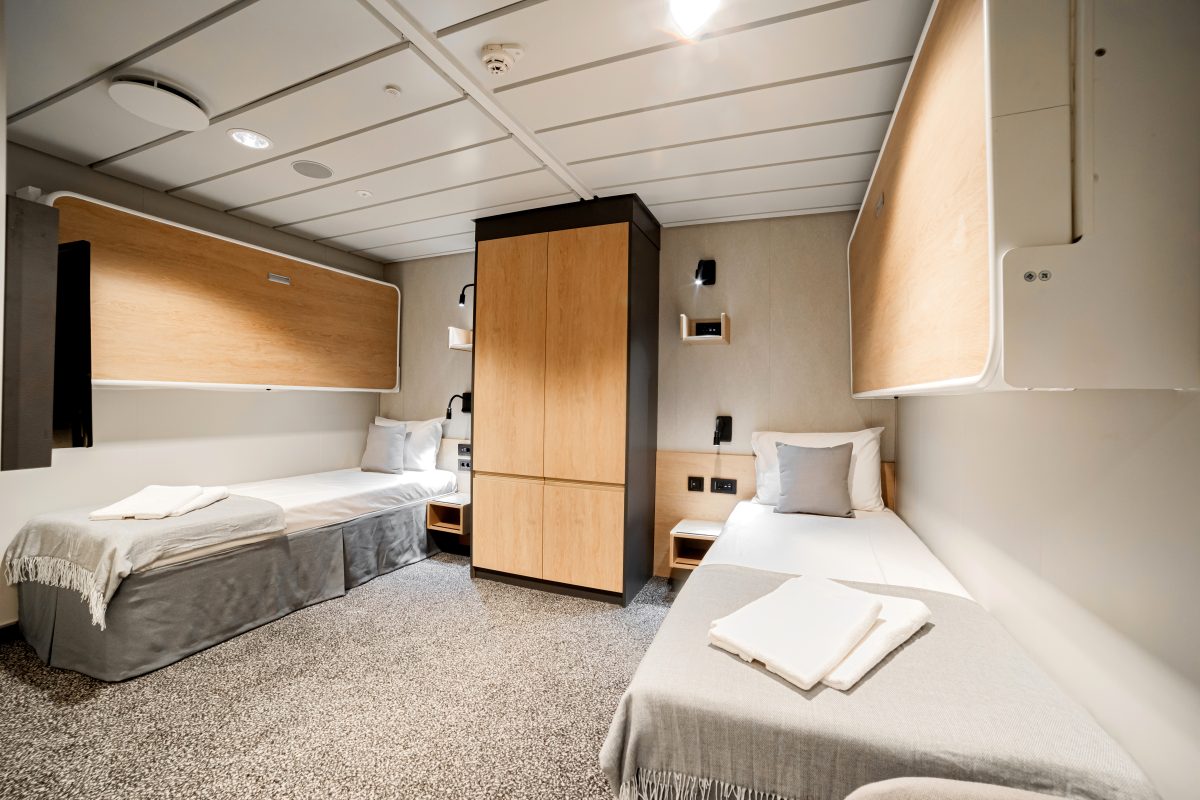
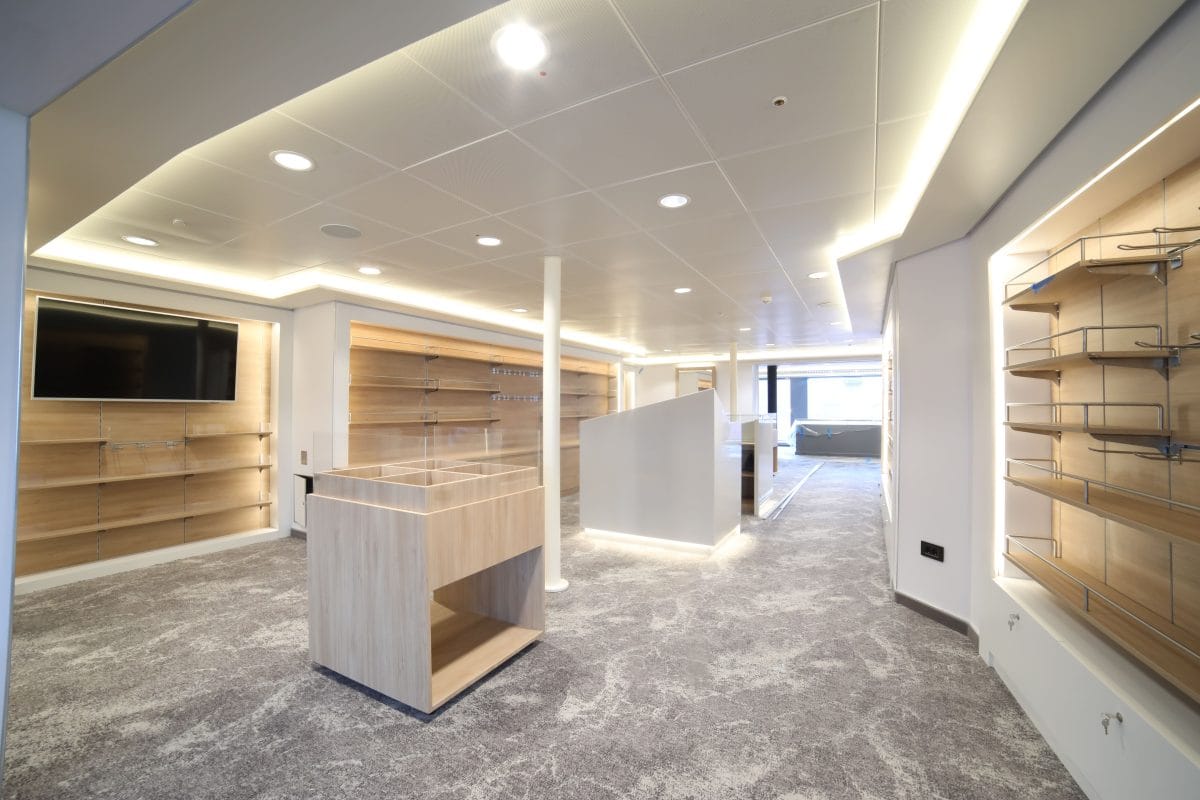
Cabins on cruise ships generally have limited square footage. To make the relevant limited spaces as spacious, useful, and luxurious as possible, smart spatial planning techniques come into play. Wall-integrated multifunctional furniture, foldable desks, and hidden storage units maximize the movement area within the cabin.
Another crucial factor directly affecting spatial perception is lighting. Warm-toned LED lights supporting the natural light entering through windows, combined with mirrors and reflective surfaces, make the room appear larger. Accomar creates different atmospheric options suitable for every hour of the day for guests while reducing operational costs with low-energy smart lighting systems.
Sustainable and Eco-Friendly Design Approach
Today, the concept of luxury is directly associated with environmental awareness. Conscious travelers closely monitor the carbon footprint and eco-friendly practices of the ships they choose.
Accomar Marine Interior leads the circular economy in the maritime sector with recyclable certified materials integrated into its supply chain. Non-toxic adhesives used in the production process, floor coverings made from reclaimed materials, and durable fittings under long-term warranty minimize the environmental impact.
Ultimately, creating a flawless interior layout on cruise ships dictates the merging of aesthetic vision with engineering intelligence. Accomar continues to turn the most luxurious and safest living spaces of the oceans into reality with its certified expert team.