How Is Technical Coordination Managed Between Shipyards, Owners and Marine Interior Teams?


The mock-up process in marine interiors is a critical step between design approval and series installation. In vessel accommodation projects, drawings and material samples are not always enough to confirm how an interior will perform in real conditions. A mock-up helps project teams evaluate space layout, material compatibility, workmanship quality, fixing details, lighting effects and installation logic before large-scale application begins.
Marine interior projects often include repeated spaces such as passenger cabins, crew cabins, wet units, corridors, lounges and service areas. When a repeated detail is wrong, the same error can spread across many areas. For this reason, the mock-up process should not be seen as a visual presentation only. It is a technical control stage that protects the project from costly revisions during production and onboard installation.
Accomar manages the mock-up process as part of a wider marine interior outfitting workflow. Concept design, detailed engineering, material coordination, production and onboard installation should be checked through a structured approval process before moving to series work.
Why Is the Mock-up Process Important in Marine Interiors?
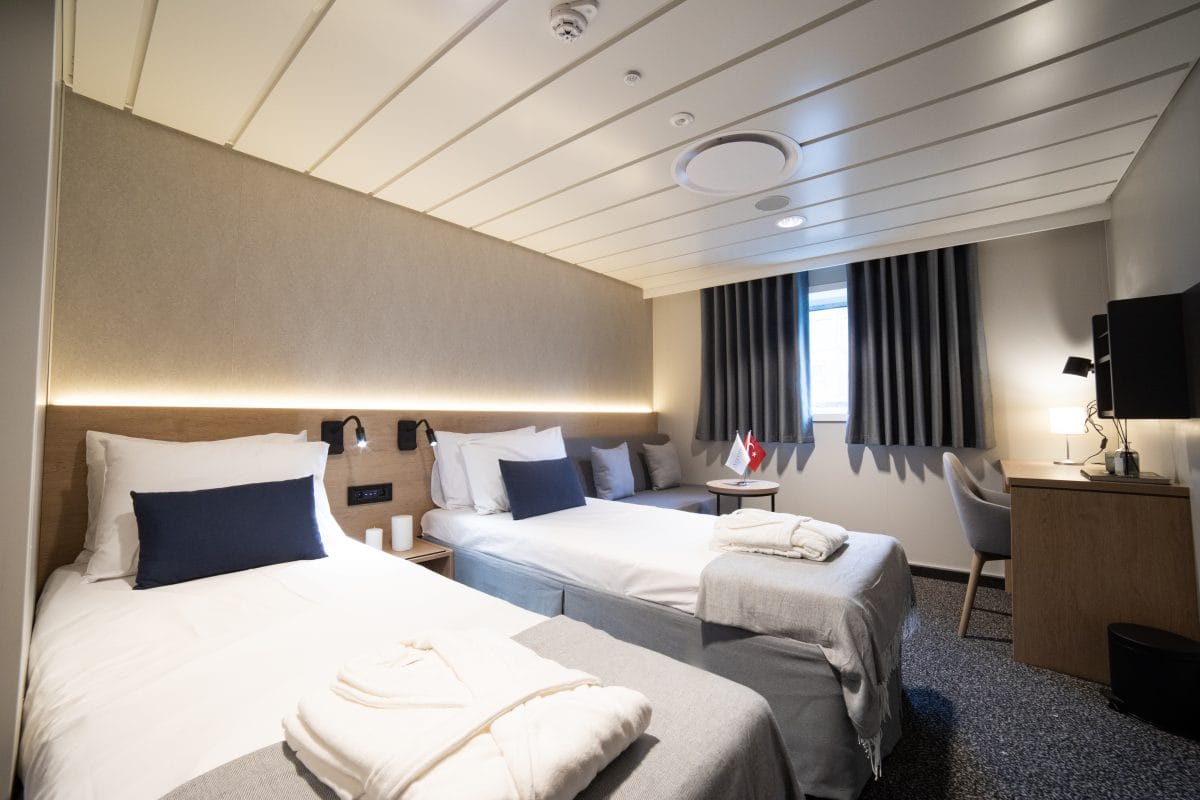
Marine interiors are shaped by compact spaces, strict safety expectations, weight control, material performance, acoustic comfort and onboard installation limits. A mock-up gives shipowners, shipyards and interior teams a realistic view of how these factors come together.
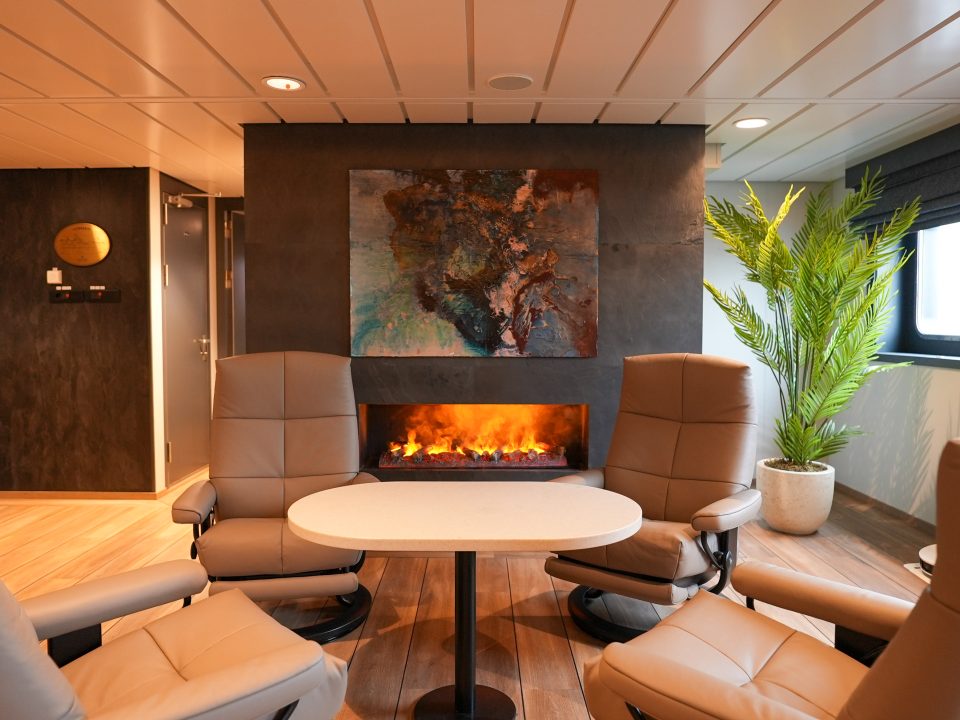
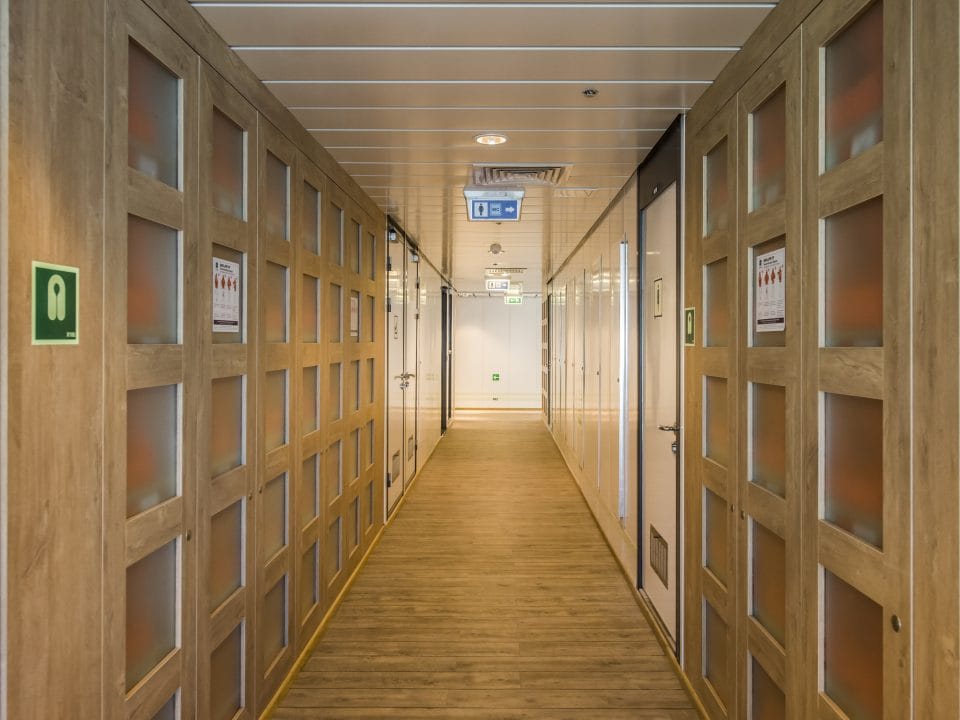
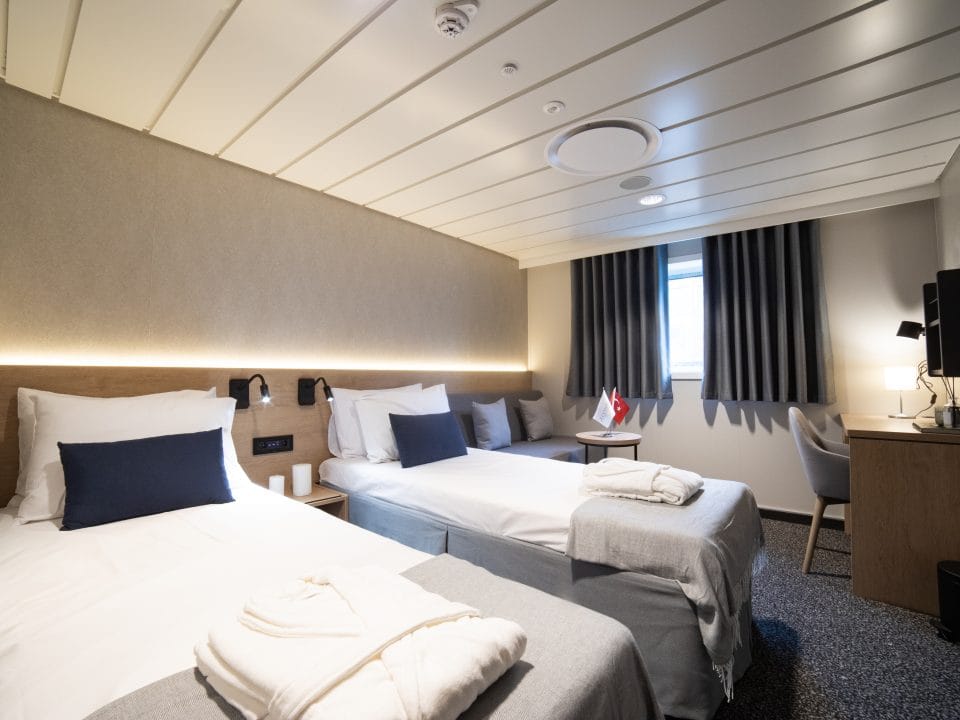
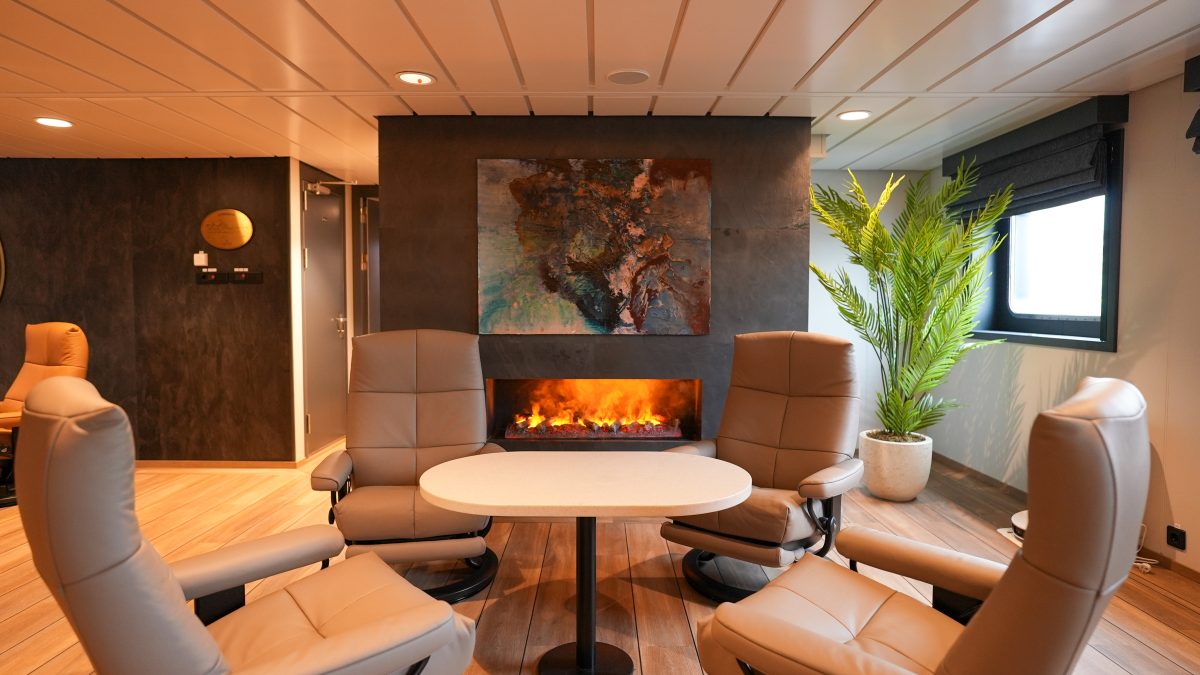
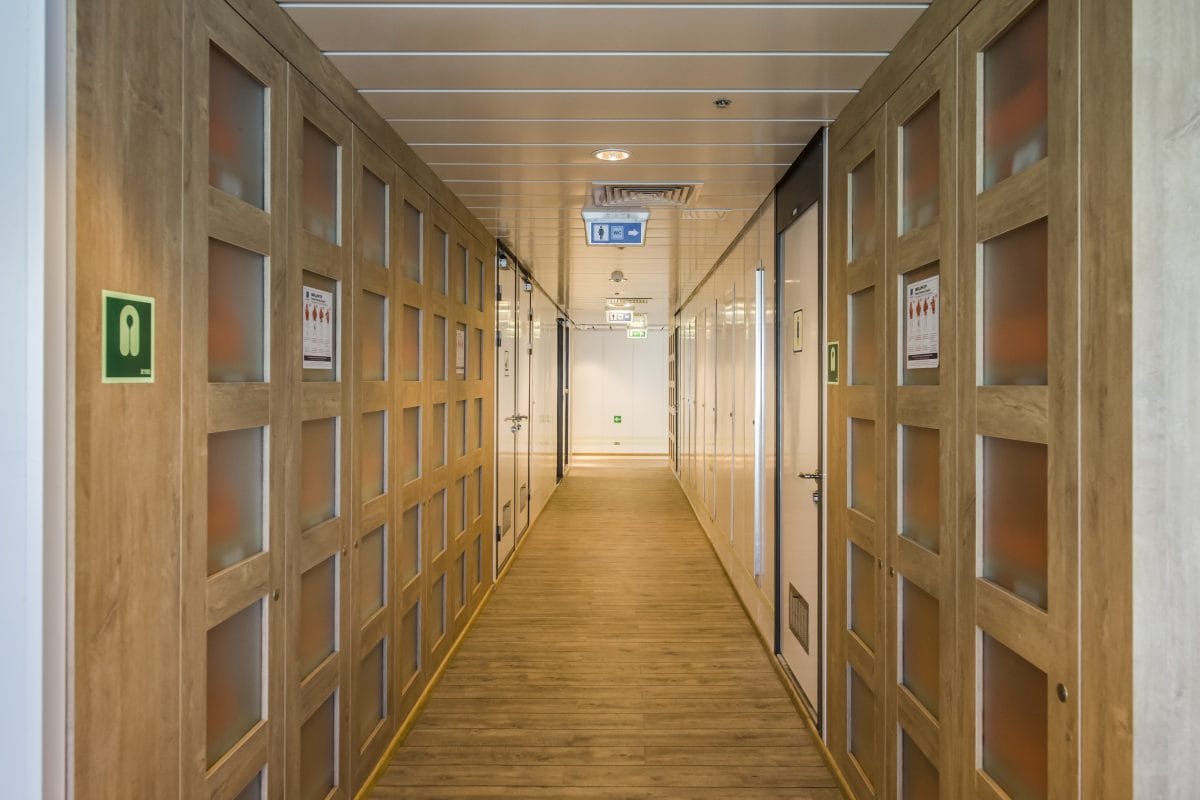
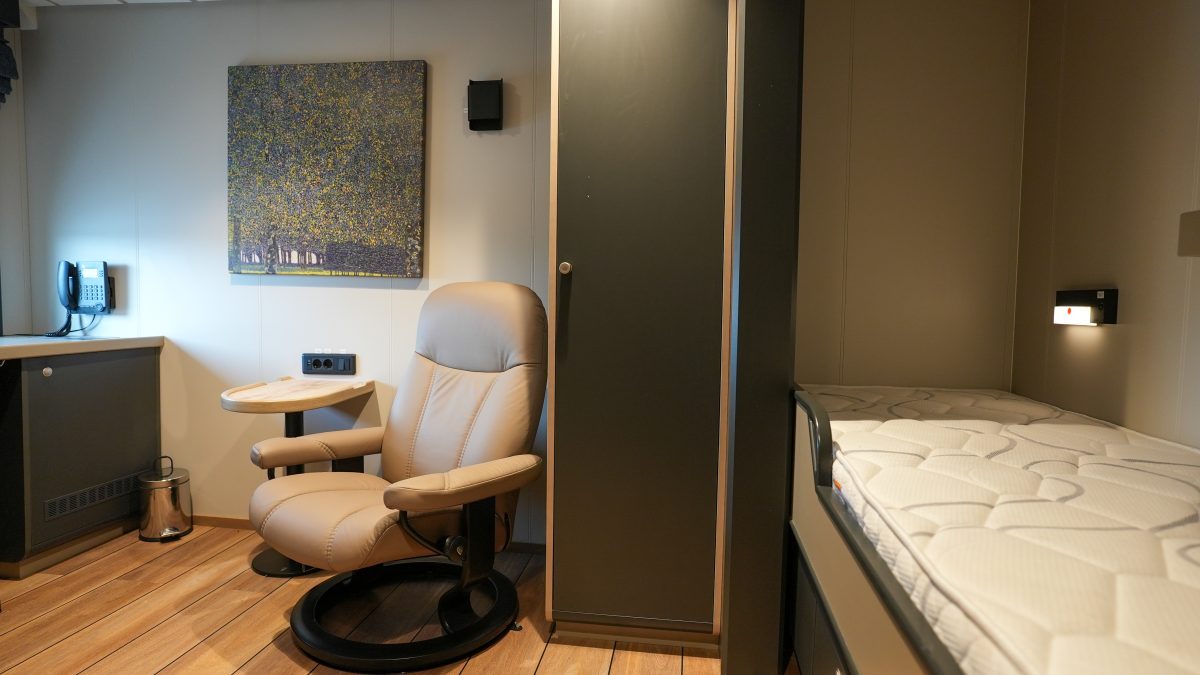
In a cabin mock-up, teams can review the relationship between the bed, storage, wall panels, ceiling, lighting, flooring and wet unit access. In a lounge mock-up, they can evaluate seating comfort, circulation, surface finishes and visual consistency. In a corridor or service area, they can check panel alignment, door details, access points and durability.
The mock-up process in marine interiors helps identify problems before repetition begins. A small dimensional issue, material mismatch or installation detail can be corrected early. This creates a more controlled path toward production and onboard work.
Accomar’s interior architecture and concept design process supports early alignment between design intent, user needs and technical feasibility.
From Design Intent to Physical Verification
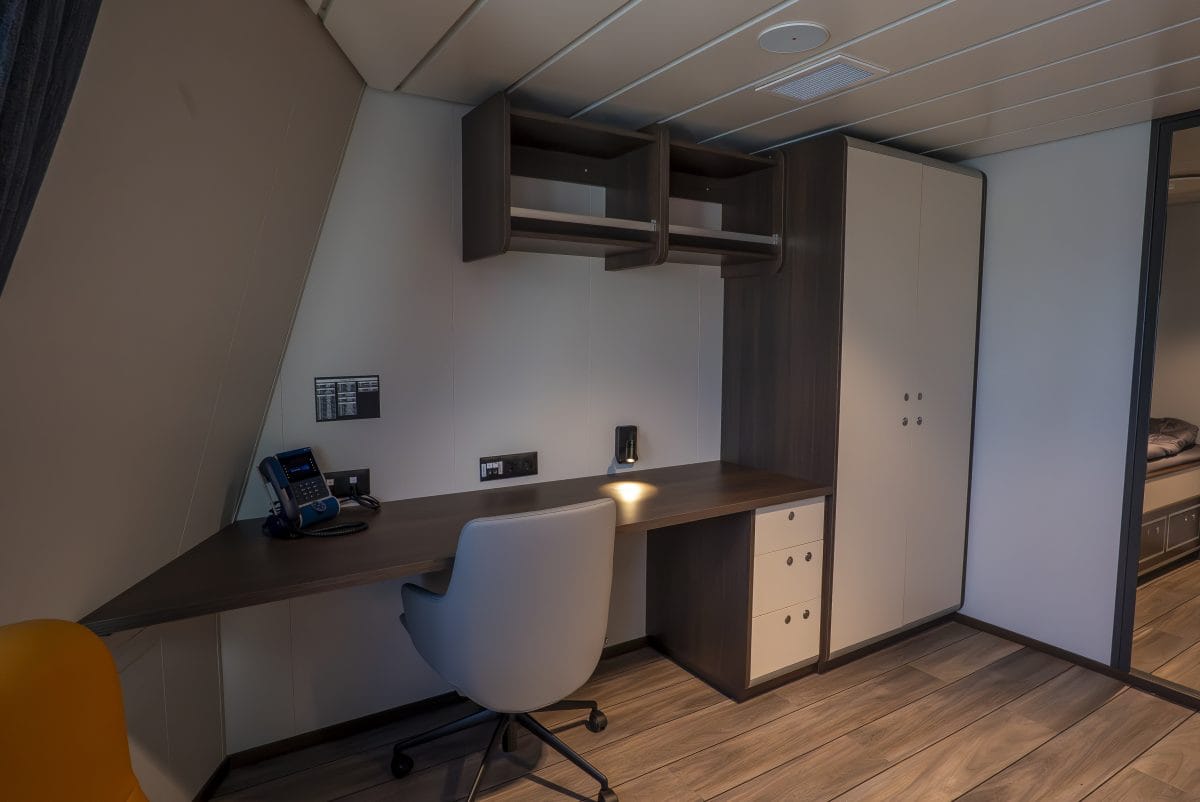
Design drawings show what the interior should become. A mock-up shows how the design behaves when materials, dimensions and workmanship meet in real scale. This is especially valuable in marine interiors because vessel spaces allow little tolerance for late changes.
The mock-up stage can verify wall and ceiling junctions, furniture dimensions, door swings, lighting positions, flooring transitions, wet unit access, storage usability and maintenance points. It also helps teams evaluate whether the selected materials create the expected visual and functional result.
Physical verification reduces assumptions. Instead of waiting until onboard installation to discover conflicts, project teams can review details in a controlled setting and make decisions before serial production.
Material Coordination During the Mock-up Stage
Material coordination is one of the main purposes of the mock-up process. Marine interiors require materials that support durability, compliance, cleaning, weight control and visual quality. A material that looks acceptable as a sample may behave differently when applied across a full wall, ceiling, furniture unit or wet area.
During mock-up review, surface finishes, panel joints, upholstery, hardware, flooring, lighting temperature and edge details can be assessed together. This helps reveal compatibility issues that may not appear in isolated samples.
Accomar’s detailed engineering and supplied materials service helps connect mock-up findings with drawings, material lists and production documentation. When a detail changes after mock-up review, the update should be reflected in every relevant technical document.
Approval Workflow and Decision Control
The mock-up process in marine interiors should follow a clear approval workflow. Owners, shipyards, designers, engineers and interior teams need to know which elements are being reviewed, which comments are accepted and which revisions are required.
An uncontrolled mock-up process can create confusion. If comments are not documented, the same issue may return during production. If approvals are unclear, procurement and manufacturing may move forward with risk.
A strong approval workflow includes review records, marked-up drawings, revised specifications, material confirmations and responsibility tracking. This helps project teams move from sample evaluation to series installation with confidence.
Accomar’s project coordination and master planning structure supports this process by keeping design, engineering, procurement and installation decisions aligned.
Preparing for Series Installation
The main value of the mock-up process is not limited to approval. It prepares the project for repeated application. Once the mock-up is reviewed and accepted, teams can use it as a reference for production quality and onboard installation.
For repeated cabin types, the mock-up can define the standard for panel alignment, furniture positioning, lighting details, hardware placement and finish quality. For public areas, it can set the reference for material transitions, seating arrangements and surface consistency.
A well-managed mock-up becomes a quality benchmark. It reduces interpretation differences between teams and helps maintain consistency across multiple vessel areas.
Onboard Installation and Mock-up Learnings
Mock-up findings should reach the onboard installation team clearly. Installers need to understand approved details, tolerance expectations, fixing methods and finish standards. If mock-up decisions stay only with the design or approval team, site quality may suffer.
Onboard conditions may still require adaptation. Access routes, surrounding works, storage limitations and vessel schedule can influence installation. For this reason, mock-up learnings should be connected with real site planning.
Accomar’s workmanship and onboard installation experience helps transfer mock-up standards into onboard execution. This connection between approved sample areas and real vessel work is essential for consistent delivery.
Common Risks in the Mock-up Process
Several risks can weaken the value of a mock-up. One common issue is reviewing it only for appearance. In marine interiors, the mock-up should also be assessed for technical feasibility, maintenance access, material performance and installation sequence.
Another risk is starting production before all mock-up comments are closed. This may lead to repeated errors. Weak documentation is also a concern. If revisions are not reflected in drawings, specifications and material lists, teams may work with different information.
A mock-up can only guide the project when its decisions are documented, approved and transferred into production and installation.
From Sample Area to Controlled Delivery
The mock-up process in marine interiors helps turn design decisions into verified project standards. It allows teams to test materials, dimensions, workmanship and installation logic before wider application begins. When managed properly, it reduces rework, improves quality consistency and supports predictable delivery.
Accomar’s turnkey marine interior outfitting approach connects the mock-up process with concept design, detailed engineering, procurement, production and onboard installation. With its focus on marine interior project management, Accomar helps shipowners, shipyards and project teams move from sample approval to controlled vessel accommodation delivery.
For newbuild and refurbishment projects, the mock-up process should be managed as part of the full marine interior strategy. Accomar supports project teams with concept design, detailed engineering, material coordination, production and onboard installation services. To discuss your vessel interior project, you can contact Accomar through the contact page.