The Best Marinas in Europe: Where Luxury Meets Excellence
Engineering Marine Interiors: Weight Optimization & Operational Efficiency
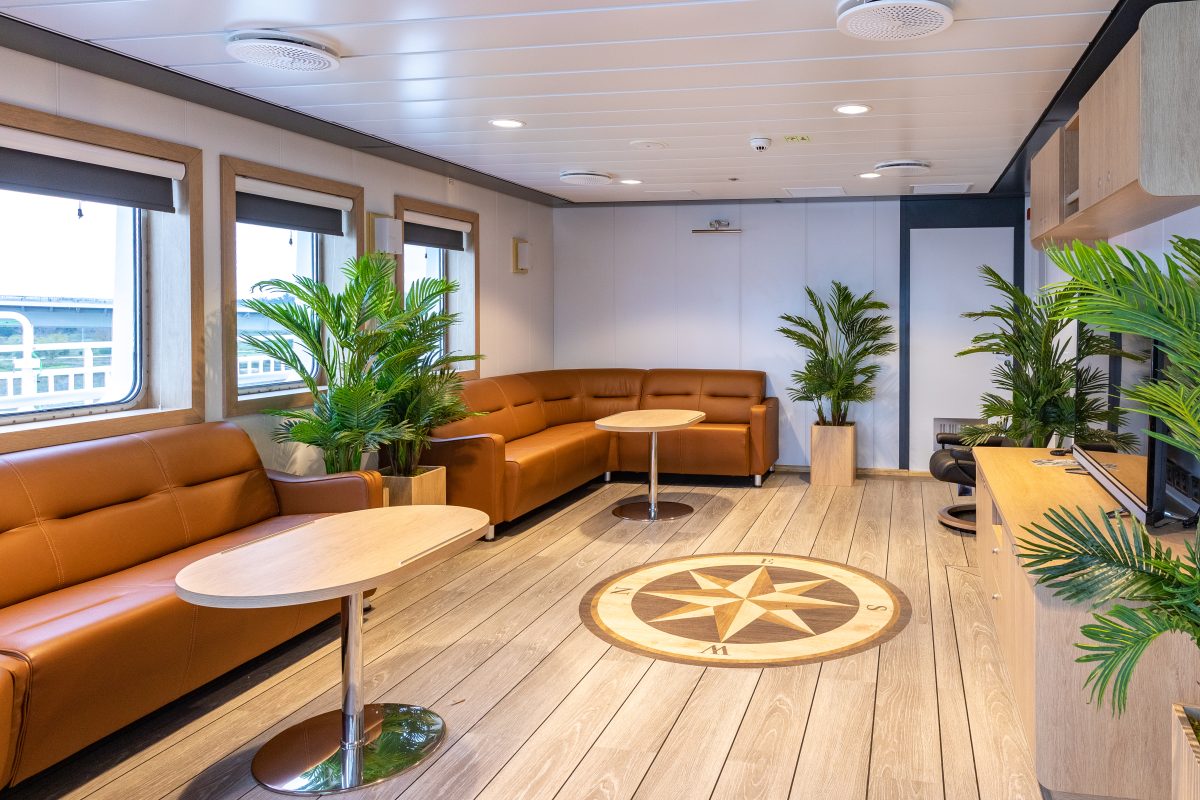


In the maritime industry, the commercial lifespan of a vessel is defined not only by engine performance or hull condition, but also by the quality, safety, and regulatory compliance of its interior spaces. Crew accommodation areas, passenger zones, and service spaces that deteriorate over time or fall behind current IMO and SOLAS requirements directly impact operational efficiency, inspection outcomes, and overall asset value.
At this stage, marine interior repair services and targeted modernization solutions become a strategic investment—allowing vessel owners to extend service life, maintain compliance, and improve onboard living standards without the cost and downtime associated with full-scale refurbishment projects.
The Balance Between Local Repair and Extensive Refurbishment
Not every interior deficiency requires a complete strip-out and rebuild. Well-planned marine interior repair services focus on localized, technically sound interventions that preserve operational continuity while keeping costs under control.
Professional repairs carried out during scheduled dry-dock periods or short port calls offer several key advantages:
- Safety and Regulatory Compliance
Damaged wall panels, ceilings, or furniture components may compromise fire integrity and IMO compliance. Professional repair restores certified performance levels and minimizes inspection-related risks.
- Cost Efficiency
Localized interventions—such as selective panel replacement, wet unit refurbishment, or furniture re-upholstery—prevent unnecessary full-area renewal and significantly reduce capital expenditure.
- Crew Comfort and Operational Performance
Timely repairs in crew cabins, mess rooms, and common areas directly improve onboard comfort, motivation, and daily operational efficiency.
Critical Areas in Marine Interior Repair Services
Marine environments expose interior systems to far harsher conditions than land-based facilities. Continuous vibration, humidity, temperature fluctuations, and vessel motion create specialized maintenance and repair requirements.
- Wet Unit Repair (Bathrooms and Sanitary Areas)
Loss of sealing, water ingress, and surface degradation in wet units increase corrosion risk and may lead to structural damage. Timely refurbishment protects hygiene standards and preserves vessel integrity.
- Flooring and Ceiling Systems
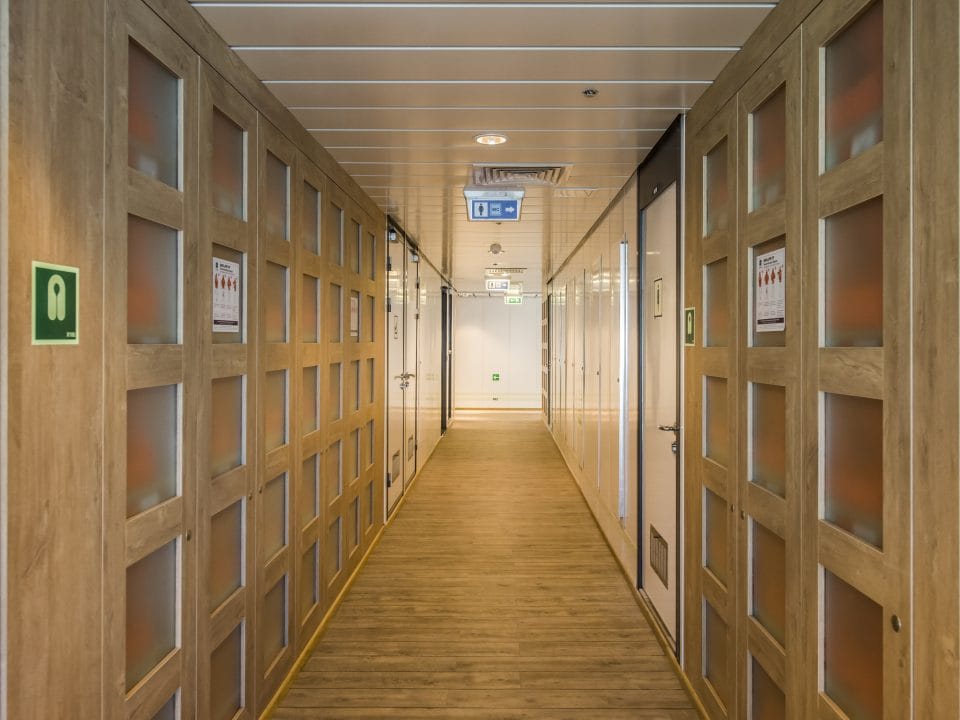
High-traffic areas often experience wear that reduces anti-slip performance. Replacement using certified, marine-grade materials enhances occupational safety and regulatory compliance.
- Marine Carpentry, Furniture, and Upholstery
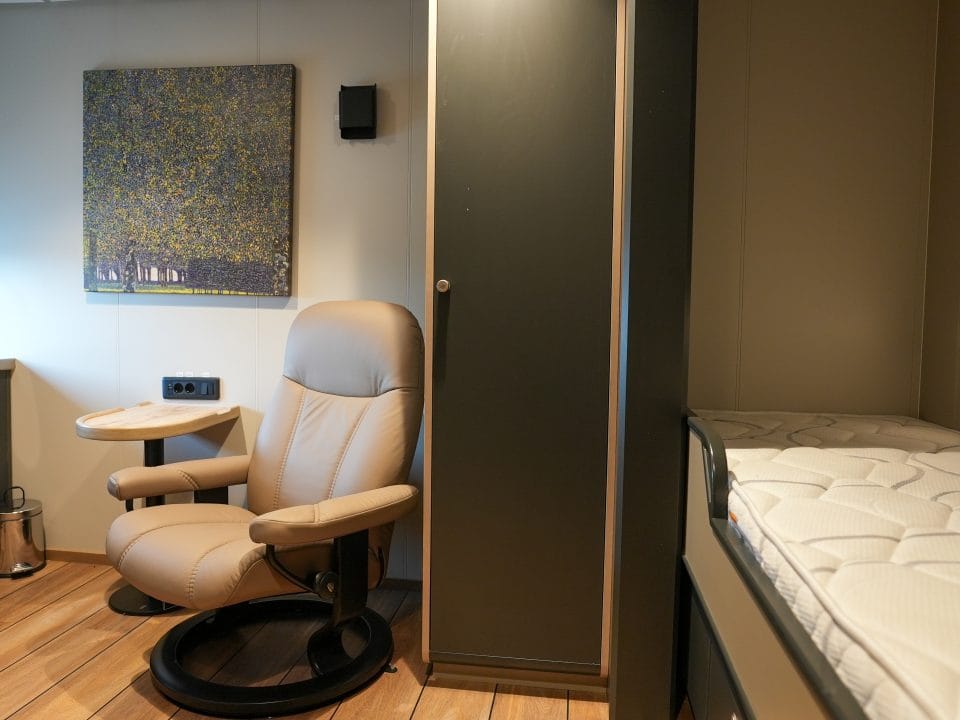
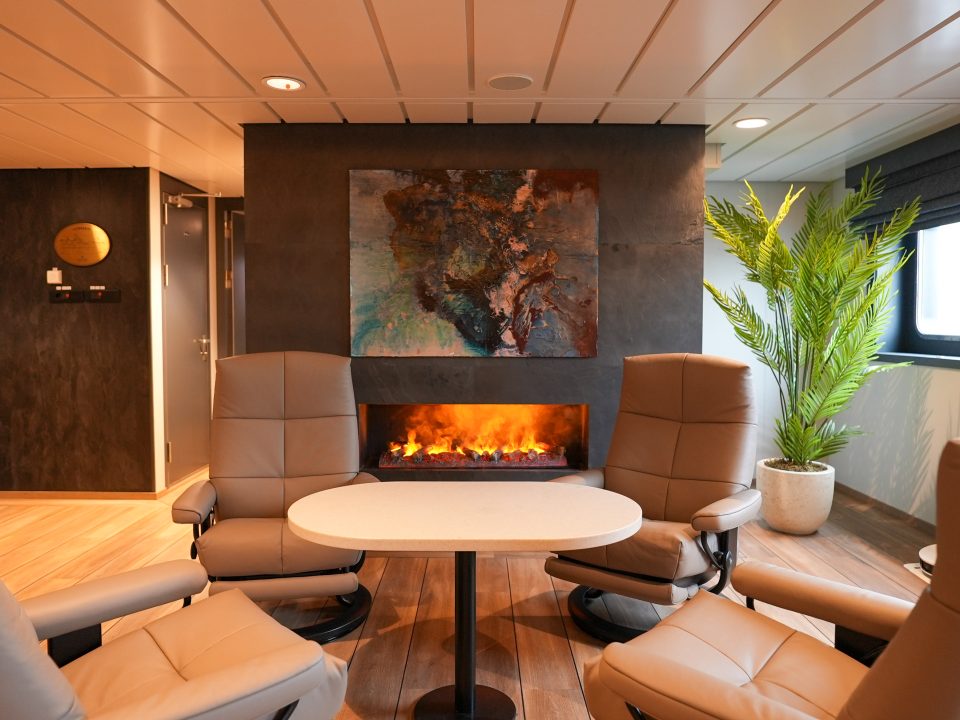
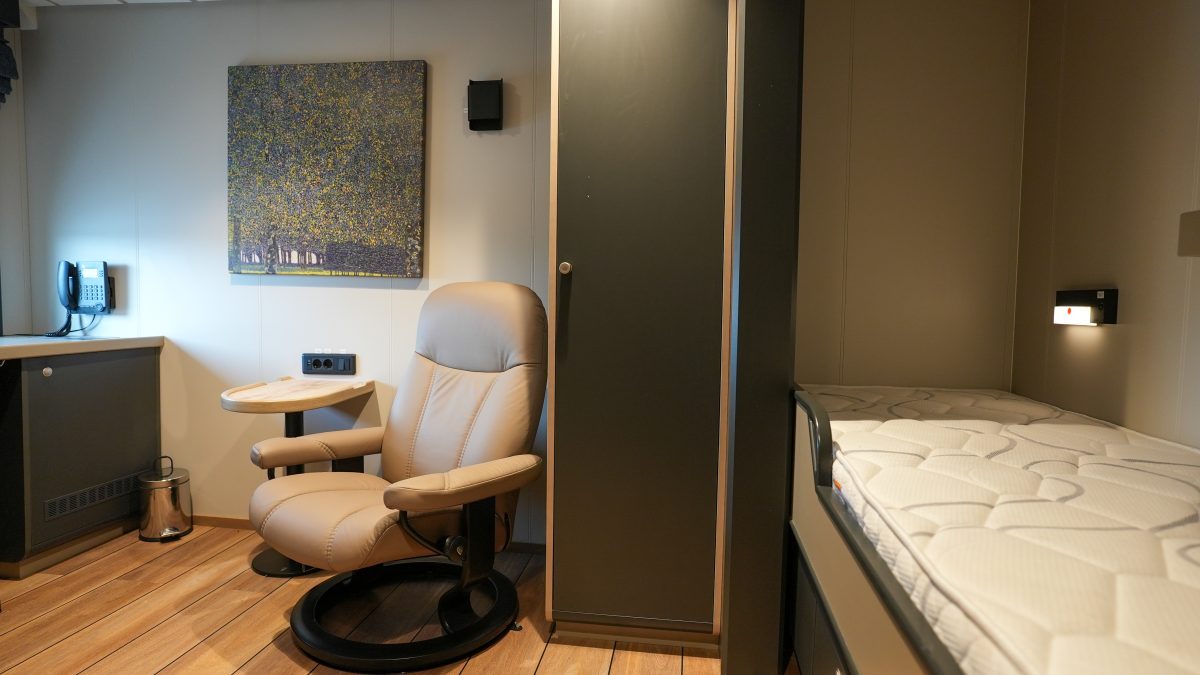
Renewal of worn furniture, seating, and mattresses using fire-retardant materials modernizes interior appearance while maintaining required safety and certification standards.
Time Management and Downtime Control in Repair Projects
In commercial shipping operations, minimizing vessel downtime is critical. Effective interior repair and modernization projects rely on advanced planning while the vessel is still in service.
Accurate damage assessment, early material procurement, and pre-mobilized repair teams ensure that work is executed efficiently once the vessel enters dry-dock or port.
By preparing all technical details, documentation, and logistics in advance, repair activities can be completed within tight operational windows without disrupting fleet schedules.
Working with a specialized marine interior repair partner removes the technical coordination, certification tracking, and supply-chain burden from the shipowner. This approach allows ship management teams to focus on core operational priorities while ensuring that interior works are delivered on time and in full compliance with maritime regulations.
A Long-Term Approach to Interior Maintenance and Modernization
Professional marine interior repair services are not only corrective but also preventive. Timely and well-executed repairs reduce long-term maintenance costs, extend the service life of interior components, and preserve the vessel’s commercial competitiveness.
A structured approach to interior maintenance and modernization ensures regulatory readiness, operational reliability, and improved onboard living conditions—while avoiding unnecessary downtime and capital-intensive refurbishment projects.